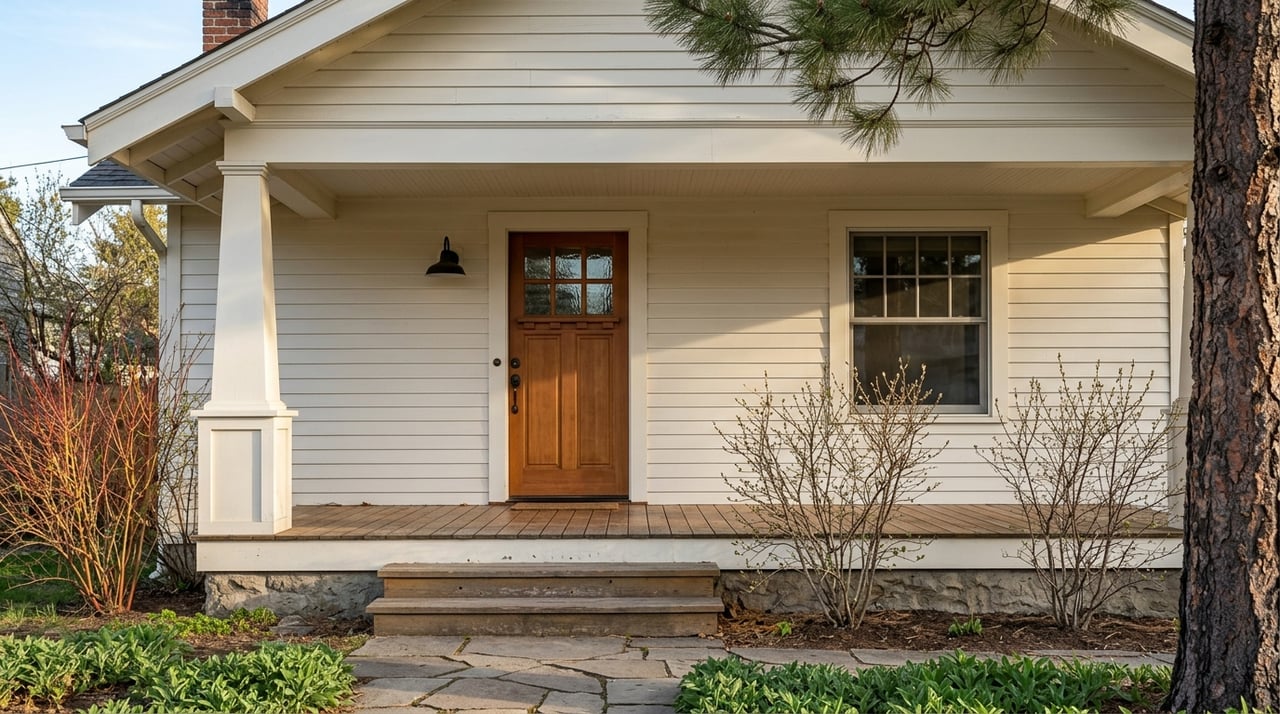
Choosing between a historic home and a newer build in Livingston is about more than curb appeal. You may love the idea of a front porch near downtown, or you may want a home with a more straightforward maintenance profile and modern layout. Either way, understanding how Livingston’s housing stock actually works can help you make a smarter move. Let’s dive in.
Livingston's Housing Snapshot
Livingston is largely an established housing market, not a city defined by new subdivisions. According to the U.S. Census Bureau’s quick facts for Livingston, the city had an estimated population of 9,021 in 2024, a 59.9% owner-occupied housing rate, and a median owner-occupied home value of $392,400.
That older-housing pattern shows up clearly in the local data. City planning information notes that 72% of Livingston dwelling units were built before 1980, and most homes are single-unit structures. If you are shopping here, that means you are more likely to compare established homes with character rather than rows of brand-new suburban inventory.
Historic Homes in Livingston
What the historic core feels like
Livingston’s historic core grew around the railroad, and that early pattern still shapes the city today. The National Register documentation for Livingston’s historic districts places the commercial core around Main, Second, Callender, and Lewis Streets near the depot and identifies distinct residential areas on the Westside and Eastside.
In practical terms, historic Livingston often feels compact, walkable, and rooted in an older street grid. Homes in the Eastside and Northside are often one- or one-and-a-half-story wood-frame houses on smaller lots, while Westside homes are more often two-story properties on larger lots with more exterior detail. That difference can affect everything from yard size to architectural presence.
Common historic styles
If you are drawn to older homes, Livingston offers a real mix of architectural character. The city’s residential historic districts include Queen Anne, Shingle, Classical Revival, Prairie, bungalow, Spanish Colonial Revival, and vernacular homes, according to the same National Register source.
You are not just choosing a floor plan in these areas. You are often choosing original trim, porch depth, roofline shape, window proportions, and the overall look of a home that reflects Livingston’s early development. For many buyers, that sense of place is the main appeal.
Why buyers love historic homes
Historic homes can offer features that are hard to replicate in newer construction. You may find mature streetscapes, inviting porches, distinctive facades, and details that give each property a different personality.
These homes also tend to place you in a more established in-town setting. If your priority is living close to Livingston’s traditional core and enjoying a neighborhood with visible architectural history, an older home may be the better fit.
Renovation and upkeep realities
Charm comes with tradeoffs, and it helps to go in with your eyes open. Livingston’s growth policy notes that older homes may have lead-paint exposure concerns, deferred maintenance, outdated electrical and plumbing systems, roof leaks, and less efficient heating and cooling. The same planning materials also note that older homes are often smaller and may have fewer bedrooms than national averages, as summarized in the Livingston Growth Policy community profile.
For some buyers, that is completely worth it. For others, the cost and complexity of repairs, retrofits, and system upgrades can shift the equation. This is where having a real estate advisor with construction and renovation insight can make a meaningful difference.
Preservation review matters
If you are considering a home in or near Livingston’s historic areas, you should understand the local review process before planning exterior work. The city’s historic preservation page explains that Livingston’s Historic District Overlay Zoning Ordinance dates to 1982, and the Historic Preservation Commission reviews exterior changes in the Downtown Historic District before work begins.
The city also notes that exterior modifications in that district must be approved before permits are issued under urban renewal rules. That does not mean owning a historic-area property is difficult, but it does mean your timeline and renovation plans may need more coordination.
Newer Construction in Livingston
What newer in-town homes look like
Newer construction exists in Livingston, but it still tends to follow the city’s low-density pattern. The Livingston Growth Policy community profile states that residential permits issued between 2008 and 2018 were all for single-family and townhouse units.
That means newer homes in Livingston usually do not feel like large-scale apartment-driven growth. Instead, they are more likely to be detached homes or attached low-rise options that still fit the town’s overall scale.
Why buyers choose newer homes
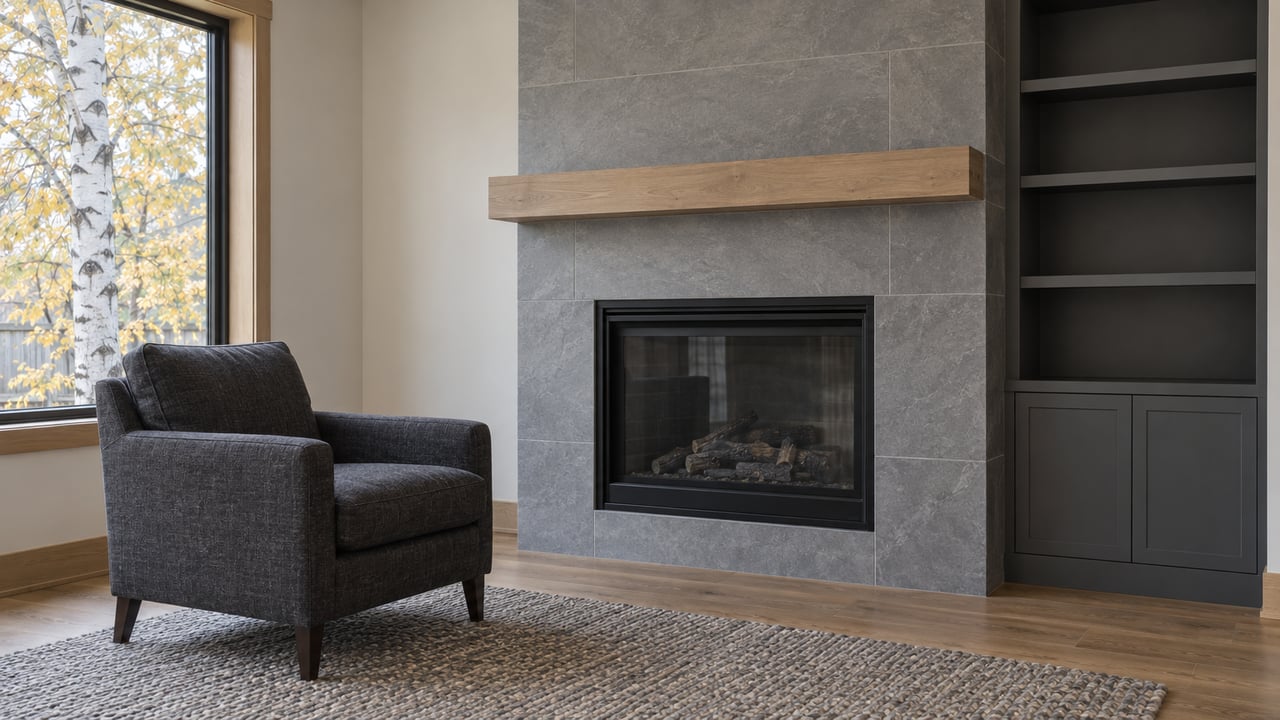
For many buyers, newer construction offers a simpler ownership experience. You may get a layout that feels more current, better energy performance than an older home, and fewer immediate projects after closing.
Newer homes can also appeal if you want a lower-maintenance lifestyle without leaving town. While every property is different, the broad advantage is often predictability. There is usually less guesswork about aging systems and deferred repairs.
The tradeoff with newer builds
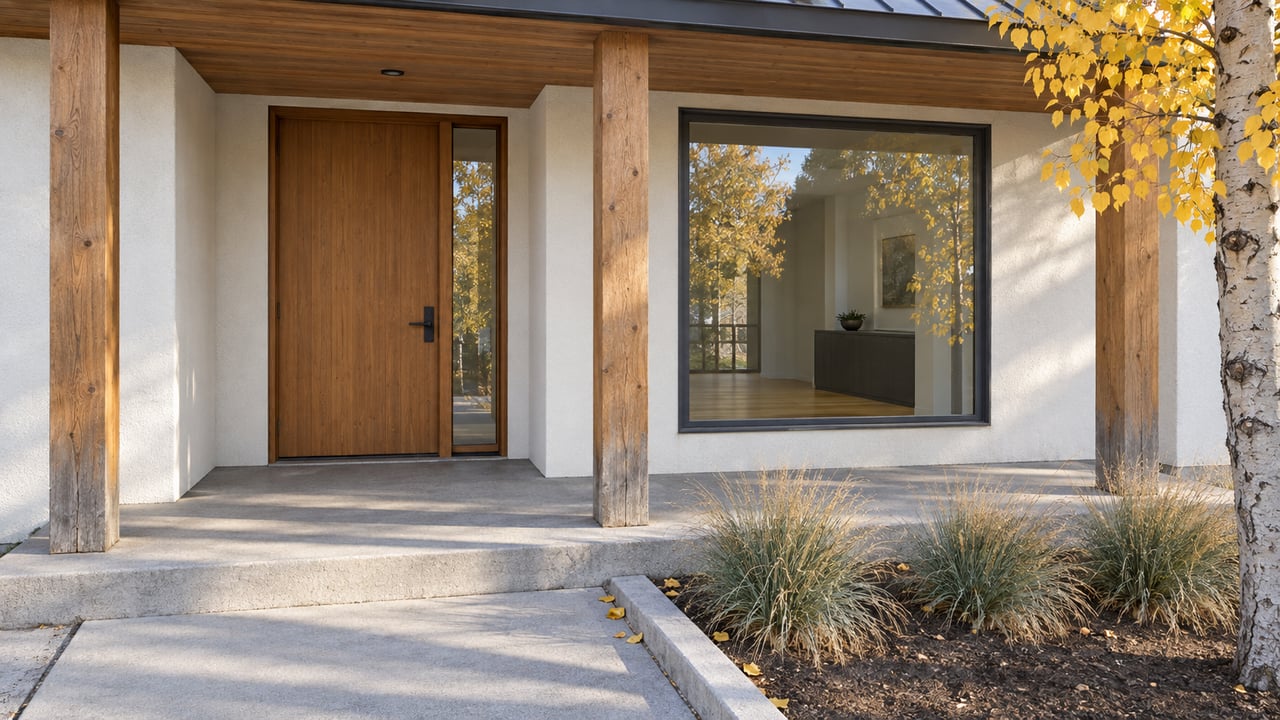
What you gain in convenience, you may give up in historic detail or lot character. Newer homes may not have the same porch-heavy streetscape, original materials, or architectural variety that define Livingston’s older neighborhoods.
That is not a drawback for every buyer. It simply means your decision often comes down to whether you value period character more than updated function, or vice versa.
Paradise Valley New Builds
Why Paradise Valley feels different
When buyers picture a newer Montana home with dramatic views, they are often thinking of Paradise Valley rather than Livingston’s historic core. The Montana Department of Transportation’s Paradise Valley corridor study describes the corridor along US 89 between Livingston and Yellowstone’s north entrance, framed by the Gallatin and Absaroka ranges.
Park County planning materials identify Paradise Valley as a distinct zoning area with a rural emphasis. County growth-policy language highlights agriculture, surface water, wildlife, and quieter rural uses, and newly created lots in the Paradise Valley zoning district must be 20 acres or more, with ridge-top development restricted.
Common design features in valley homes
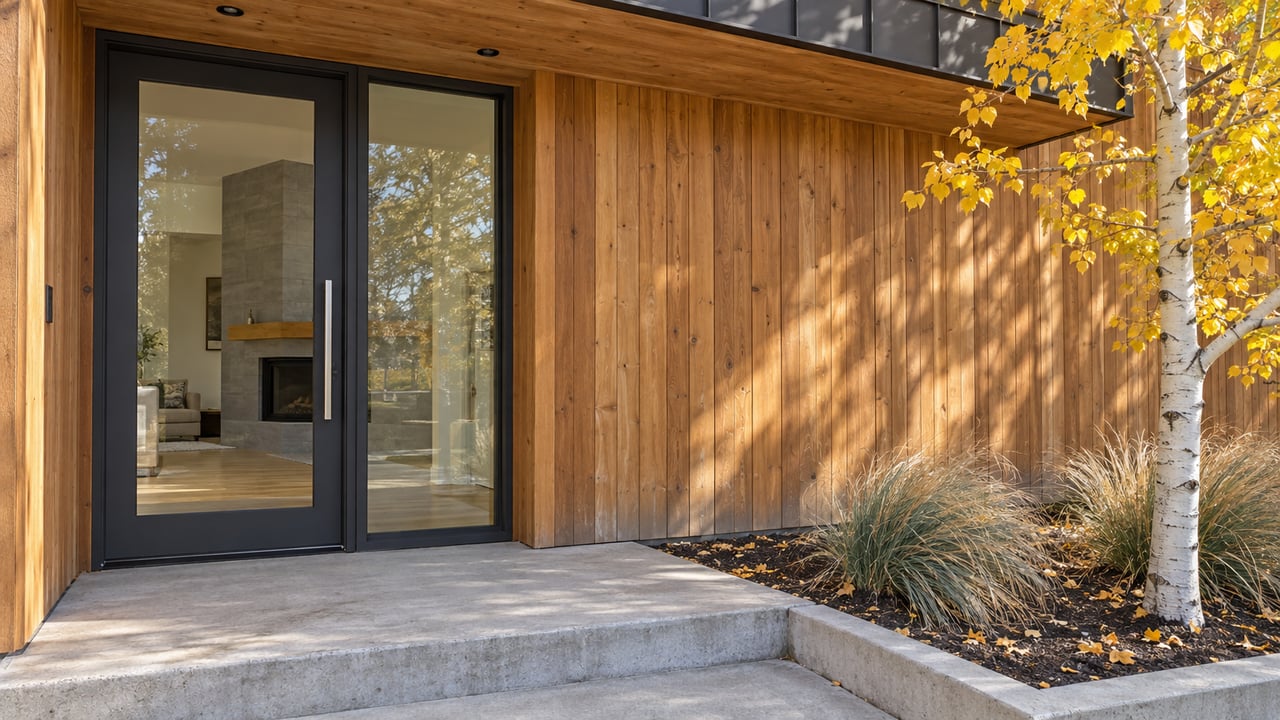
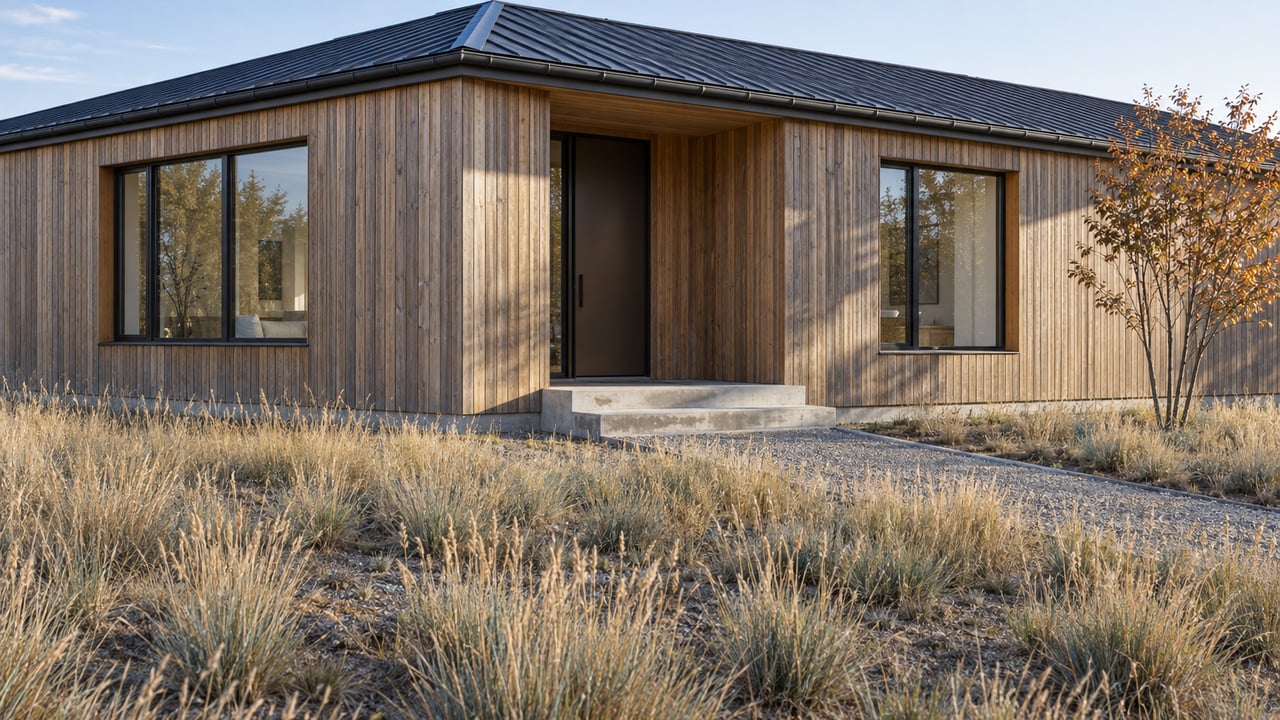
Newer homes in Paradise Valley often follow a different design language than homes in town. Recent custom-home coverage highlighted by the research shows a modern-rustic palette with timber, reclaimed wood, log elements, native stone, vaulted ceilings, open-plan great rooms, and large windows oriented toward mountain or river views, as featured in Western Home Journal’s Paradise Valley custom-home coverage.
In other words, these homes are usually designed to respond to the landscape. The goal is often less about fitting into a historic street grid and more about framing scenery, creating indoor-outdoor connection, and maximizing privacy on larger parcels.
Rural ownership comes with more responsibility
Acreage living can be beautiful, but it is also more self-managed. The research points to a practical difference between Livingston’s in-town neighborhoods and Paradise Valley’s rural properties.
For example, the Montana DEQ notes that private wells are not regulated by DEQ, and owners are responsible for testing and maintaining private wells and septic systems. Park County planning information also shows that rural property owners may rely on private road naming, rural addressing, septic permitting, and Rural Improvement Districts for infrastructure support.
Historic vs New Build Comparison
If you are weighing your options, this side-by-side view can help:
| Home style option | Best known for | Common tradeoffs |
|---|---|---|
| Historic Livingston core | Character, smaller lots, classic architecture, established in-town setting | Older systems, possible maintenance needs, preservation review for some exterior work |
| Newer in-town Livingston | Simpler maintenance profile, more current layouts, low-rise housing feel | Less historic detail, fewer truly new options than in faster-growth markets |
| Paradise Valley newer homes | Acreage, views, custom materials, privacy, landscape-driven design | Rural infrastructure responsibilities, more self-management, farther from in-town living |
How to Decide What Fits You
Choose historic if you value character
A historic Livingston home may be the right fit if you care most about architectural detail, central in-town setting, and the feel of an established neighborhood. You may also be more comfortable taking on updates over time if the home’s style and location are worth it to you.
This path often works best for buyers who appreciate craftsmanship and can plan for maintenance thoughtfully. It is especially important to understand the condition of major systems before you buy.
Choose newer in town if you want ease
A newer Livingston home may make the most sense if you want a more straightforward move-in experience. You may prefer a layout that suits current living patterns and fewer near-term repair surprises.
This can be a strong middle ground if you want to stay in town but do not need historic detail. It offers a lower-density Livingston feel with a potentially simpler upkeep profile.
Choose Paradise Valley if you want space
Paradise Valley may be your best match if your priority is acreage, views, and a home designed around the landscape. You may be looking for privacy, a custom-home feel, or a property that supports a more rural lifestyle.
Just remember that the daily ownership experience is different. Rural properties often ask more of you in terms of systems, infrastructure, and long-term maintenance planning.
Whether you are drawn to a bungalow near town, a newer in-town home, or a custom property in Paradise Valley, the right choice comes down to how you want to live and what kind of ownership responsibilities you are comfortable taking on. If you want help comparing homes, evaluating renovation potential, or narrowing your search around Livingston, Carissa Maus (Paulson) can guide you with local insight and practical next steps.
FAQs
What makes historic homes in Livingston different from newer homes?
- Historic homes in Livingston often offer smaller lots, older architectural styles, and more original character, while newer homes tend to provide a simpler maintenance profile and more current layouts.
What should buyers know about renovations in Livingston historic districts?
- Buyers should know that some exterior changes in the Downtown Historic District are reviewed by the city before work begins, and approval may be required before permits are issued.
What are common issues with older homes in Livingston?
- Older homes in Livingston may have deferred maintenance, outdated electrical or plumbing systems, roof leaks, lead-paint exposure concerns, and less efficient heating and cooling systems.
What is newer construction like in Livingston, Montana?
- Newer construction in Livingston is still generally low-density and is more often single-family or townhouse-style housing than dense apartment development.
How is Paradise Valley different from Livingston for homebuyers?
- Paradise Valley typically offers larger rural parcels, mountain and river views, and custom homes designed for the landscape, while Livingston offers a more compact in-town setting.
What extra responsibilities come with rural Paradise Valley properties?
- Rural property owners may be responsible for private well and septic maintenance and may also need to navigate private roads, rural addressing, and other infrastructure considerations.