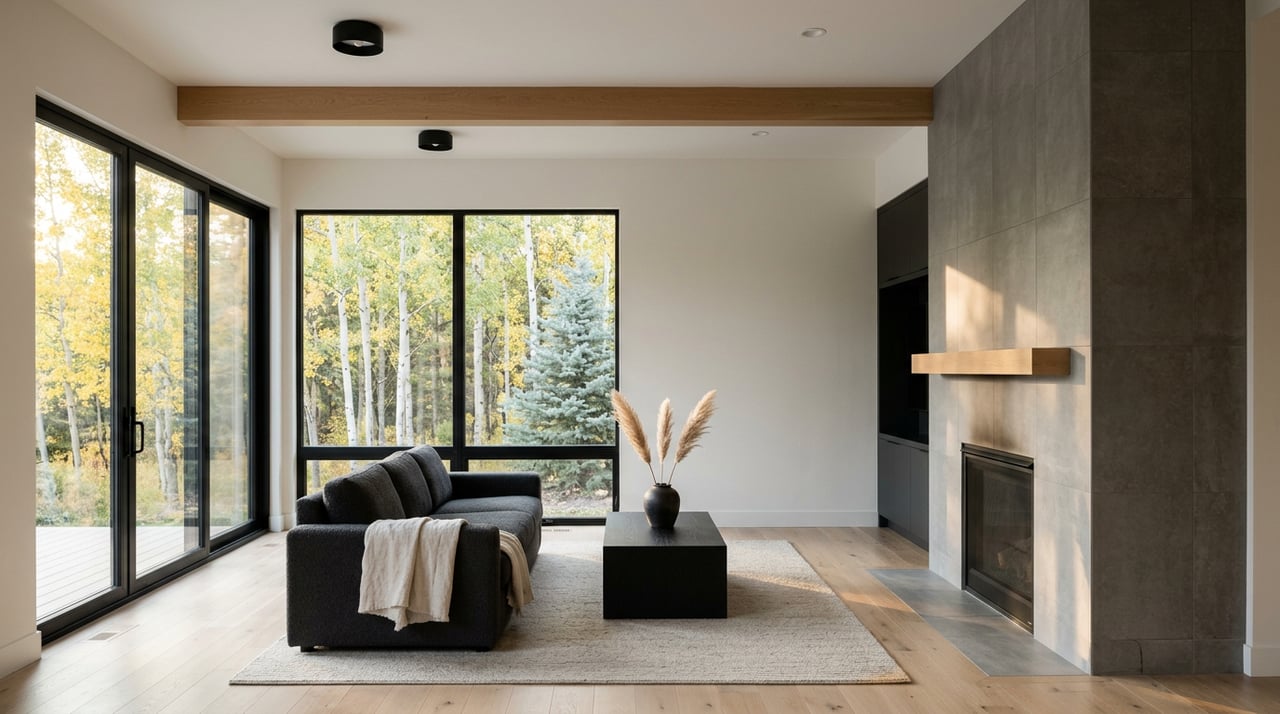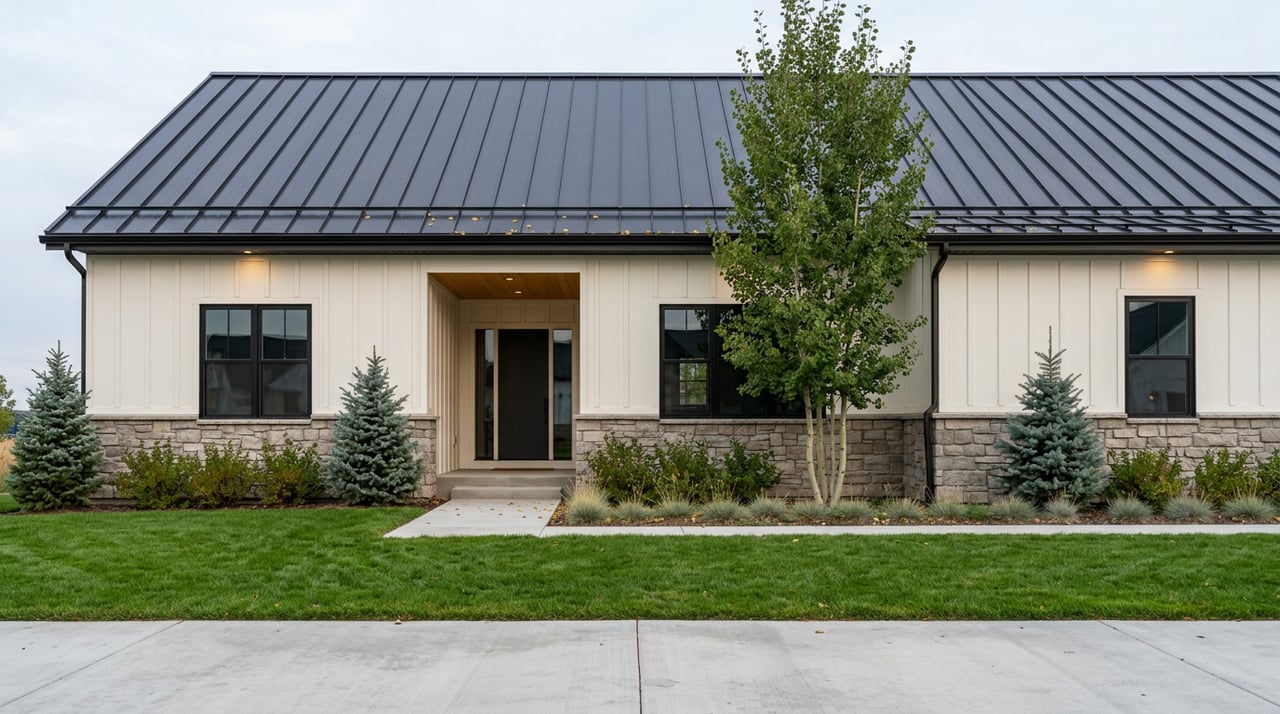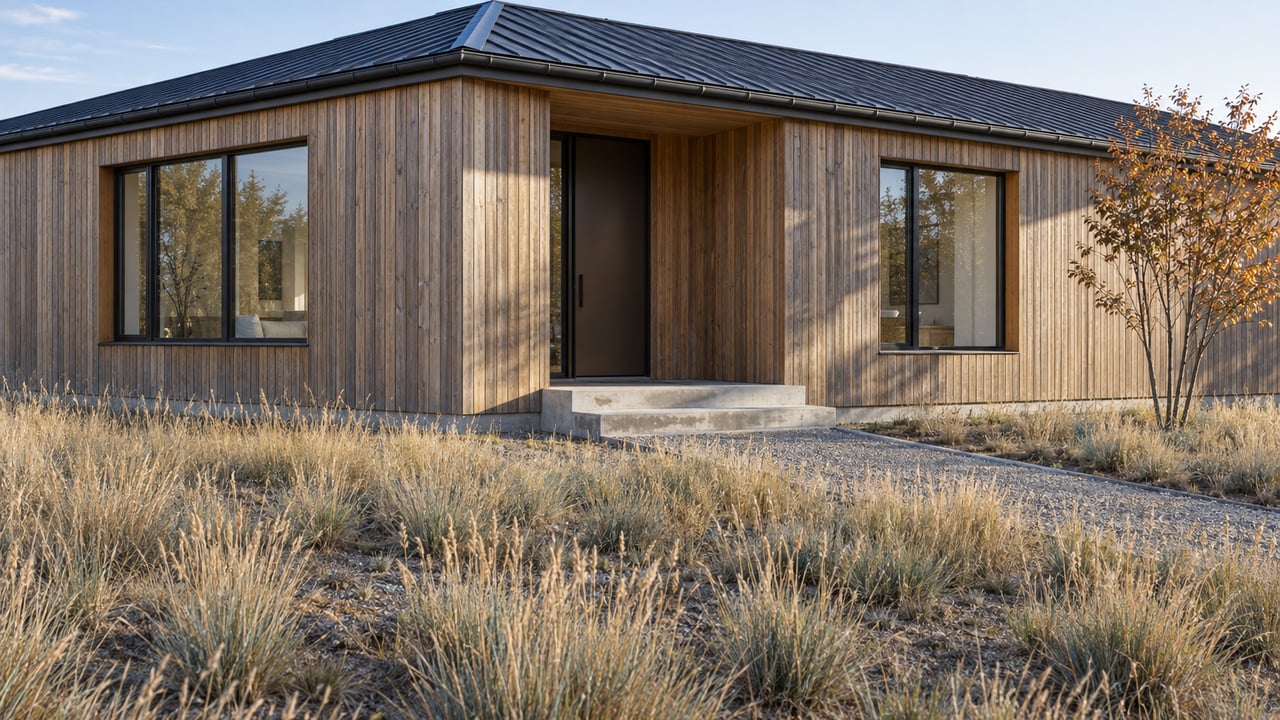
Scroll through land listings west of Manhattan this fall and you'll find pairs like this: a 20.23-acre parcel on Horse Castle Road, a 20.1-acre lot on Hilltop Road, and a 19.67-acre parcel on Cliffview Road, all inside the same rolling stretch of Gallatin River Ranch, all active in the same season, all priced within a few thousand dollars of each other per acre. The gap between them looks like rounding. It isn't. In Gallatin County, the line between a parcel that measures 20.00 acres and one that measures 19.99 acres is the difference between a lot you can typically move toward a building permit on your own schedule and one that can get routed into a full state subdivision review before you pour a foundation.
That line exists because of how Gallatin River Ranch came to be. In 1993, developers Ken Vidar and Tom Langel divided roughly 6,000 acres west of Manhattan into more than 240 twenty-acre tracts, at a time when Montana law let parcels of that size be created without going through subdivision review, according to Bozeman Daily Chronicle reporting on a later dispute over the ranch's lot lines. Twenty acres wasn't picked for the horse trails or the river access. It was picked because state subdivision law still treats a parcel of 20 acres or more differently than one under 20 acres, letting a subdivider demonstrate an adequate water source and at least one workable septic site rather than routing the whole project through the Department of Environmental Quality's full review, a distinction that still shows up in Gallatin County's current subdivision regulations.
The ranch's own history shows how fragile that line can be. Years after the original platting, Vidar and Langel asked the county for permission to move several boundary lines, partly to fit the terrain and roads better, and in one case to give a single tract enough acreage to qualify for agricultural property tax rates. Commissioners rejected the changes. County Commissioner John Vincent said at the time that none of the adjustments would have been necessary if the ranch had gone through subdivision review in the first place, calling the project a de facto subdivision that had never been reviewed for basics like road standards and emergency access. The developers sued. They lost in District Court, and the Montana Supreme Court upheld the ruling that realigning boundaries across dozens of lots at once amounted to creating a new subdivision that should have faced the same review any other project would.
The practical fallout landed on individual owners, not just the original developers. As parcels within the ranch were resurveyed over the years, local septic and subdivision permitting professionals have found that roughly half came in under 20 acres once measured precisely, some as tight as 19.99 acres. An owner sitting on one of those parcels loses the lighter-touch path that 20-plus acres carries. If the parcel has never received a Certificate of Subdivision Approval and they want to build, they can be routed into the same DEQ subdivision review a brand-new project would face, with the water and septic documentation that review demands, before a permit gets pulled.
This isn't a settled, historical footnote. Gallatin County has tightened its posture on subdivision exemptions generally over the past two years, not loosened it. In January 2025, commissioners debated changes to the family-transfer exemption after concluding it was being used to sidestep review entirely, with Commissioner Zach Brown telling the Chronicle the goal was to get more evidence that a recipient actually intended to build rather than flip the parcel, and planning officer Sean O'Callaghan noting the update would give commissioners more tools without guaranteeing denial of any single application. As recently as this September, commissioners approved a family-transfer exemption for a Camp Creek Road property that carved four new 22 to 24 acre tracts for the owners' children, but only after commissioners raised concern on the record that the package looked more like an unreviewed subdivision than a simple family gift, with one commissioner drawing the exact distinction that matters here: full subdivision review asks an applicant to do more due diligence to protect future owners than an exemption does, according to meeting coverage from Citizen Portal.
None of this makes acreage near Manhattan a bad buy. Gallatin River Ranch remains one of the few places in the valley where a buyer can get real acreage, private river frontage, and mountain views without in-town density. It means the number on the listing sheet is doing legal work the marketing language doesn't spell out. A parcel advertised as "20 +/- acres" is telling you the sign-maker's best estimate, not a surveyed fact you can attach to a permit application.
Before writing an offer on any parcel in this range, a few questions are worth answering with documents rather than assumptions. Has this specific parcel ever received a Certificate of Subdivision Approval from the state, and does that approval stay attached to it regardless of who owns it next. What does the most recent certified survey say the acreage actually is, not the acreage in the original 1993 plat and not the number a listing rounded to. If the parcel measures under 20 acres today, has anyone in the chain of ownership already completed DEQ review for water and septic, or would a new owner start that process from zero. Gallatin County's Planning Department can confirm exemption history on a specific parcel before you're under contract, which is a far better time to learn the answer than during your construction loan's draw schedule. A Gallatin County septic permitting specialist who works in the ranch regularly can also pull the record on a given parcel's platting history and tell you where it stands.
For a buyer weighing acreage near Manhattan against a smaller in-town lot closer to Belgrade or Bozeman, the acreage isn't the only variable that changes. The permitting path changes with it, and that path is set by a survey number, not a marketing one.
A few common questions
Does this only affect Gallatin River Ranch? No. The 20-acre threshold comes from state law, not a rule written for one subdivision. Any Gallatin County parcel near that line, whether inside a 1990s-era ranch platting or a more recent family-transfer split, can run into the same question. Gallatin River Ranch is simply where the pattern shows up most, because so many of its original tracts were drawn right at the boundary.
If my survey comes back under 20 acres, am I stuck? Not stuck, but you should expect a different process than a buyer of a 20-plus acre parcel faces. That can mean DEQ subdivision review if the parcel never received a Certificate of Subdivision Approval, along with the water and septic documentation that review requires. It's worth pricing that time and cost into your offer rather than discovering it after closing.
Does an existing well and septic on the parcel change anything? It helps, but it doesn't automatically resolve exemption status. A working well and septic tell you the site can support a home. They don't tell you whether the parcel's paperwork with the county and state is current, or whether those systems were permitted under the parcel's original acreage designation. That's a separate check, and one worth making before your offer deadline, not after.
If you're weighing a parcel near Manhattan and the acreage on the flyer sits close to that 20-acre line, Carissa Maus can help you get the survey history and exemption status checked before you write the offer. Schedule a free consultation and bring the listing address. You'll know what you're actually buying before you're contractually committed to it.