Picture this: fresh corduroy on Ramcharger at first light, your boots still warm, and coffee waiting by the lift. If you’re weighing a ski condo or a standalone home in Big Sky, you’re already imagining days like this. The right choice comes down to a few key tradeoffs: access, maintenance, privacy, rental potential, taxes, and insurance. This guide walks you through each option so you can buy with clarity and confidence. Let’s dive in.
Big Sky basics that shape value
Big Sky spans two counties, Gallatin and Madison. Which side a property sits on affects zoning, permitting, taxes, and services. Before you make an offer, confirm the parcel’s county and records for the exact address. You can start by reviewing an overview of the Big Sky community and county lines.
Resort investments also matter. Big Sky’s multi‑year lift upgrades, including the Lone Peak tram and new gondolas, have shifted which buildings count as true lift‑side and can boost demand for nearby properties. If easy laps are your priority, keep an eye on recent lift and tram project updates.
Finally, remember this is a high‑end, small market with wide pricing ranges by sub‑area. Exact pricing and absorption shift by season and by building, so use current, property‑specific data when you’re ready to act.
Taxes, permits, and rules to know
Lodging and resort taxes on short stays
Montana taxes most stays under 30 days with a combined 8 percent lodging facility sales and use tax. You can review the state’s rules directly on the Montana Department of Revenue’s lodging tax page. Big Sky also adds a local Resort Tax, historically 4 percent, applied to qualifying short stays and many goods and services. Learn more at the Big Sky Resort Area District.
What this means for you: plan for roughly 12 percent or more of gross short‑stay receipts to be collected and remitted in state and local taxes before platform and management fees. Some platforms collect certain taxes on your behalf, but you remain responsible for registering and filing correctly.
Short‑term rental permitting and zoning
Rules differ by parcel because Big Sky crosses county lines. In Gallatin County, short‑term rentals fall under zoning and a public accommodations health permitting process. Always verify whether a specific property allows short‑term rentals, and what local registrations are required. Start with the county’s short‑term rental FAQs and confirm details for the exact address. If your target is in Madison County, complete parallel checks with the appropriate county offices.
County, title, and special districts
Because Big Sky spans two counties, property tax bills and special district levies can differ. Confirm assessor records, resort tax boundaries, and any improvement or health district mills for the parcel. An overview of the Big Sky community’s geography is a helpful place to start.
Property type tradeoffs
Lift‑side condos
Condos at or near the base area prioritize convenience. HOAs often include exterior maintenance, snow removal, parking, building insurance for common areas, and sometimes valet, concierge, or on‑site rental programs. This is a big reason out‑of‑area owners favor condos.
Guests will pay premiums for true ski‑in/ski‑out access, especially during peak winter weeks, and resort lift upgrades continue to reinforce the value of immediate access. You can skim recent lift and tram investment coverage to see how adjacency shifts over time.
The tradeoffs: HOA fees can be high and vary widely, especially in full‑service buildings. Strong winter demand can help, but you should model net cash flow after HOA dues, management, cleaning, and taxes. Some buildings may also be non‑warrantable for conventional agency loans, which can mean larger down payments and higher rates. Always verify the building’s financing eligibility early.
Townhomes and PUDs
Townhomes strike a middle ground. You get more space and separation than a condo, often with garages, and many HOAs still handle snow removal and exterior elements. Families and groups appreciate the extra bedrooms and full kitchens.
On the flip side, you will still navigate HOA rules on rentals, parking, and design changes. Lift access varies by location, which influences winter rates, so be specific about proximity when you compare options.
Standalone homes
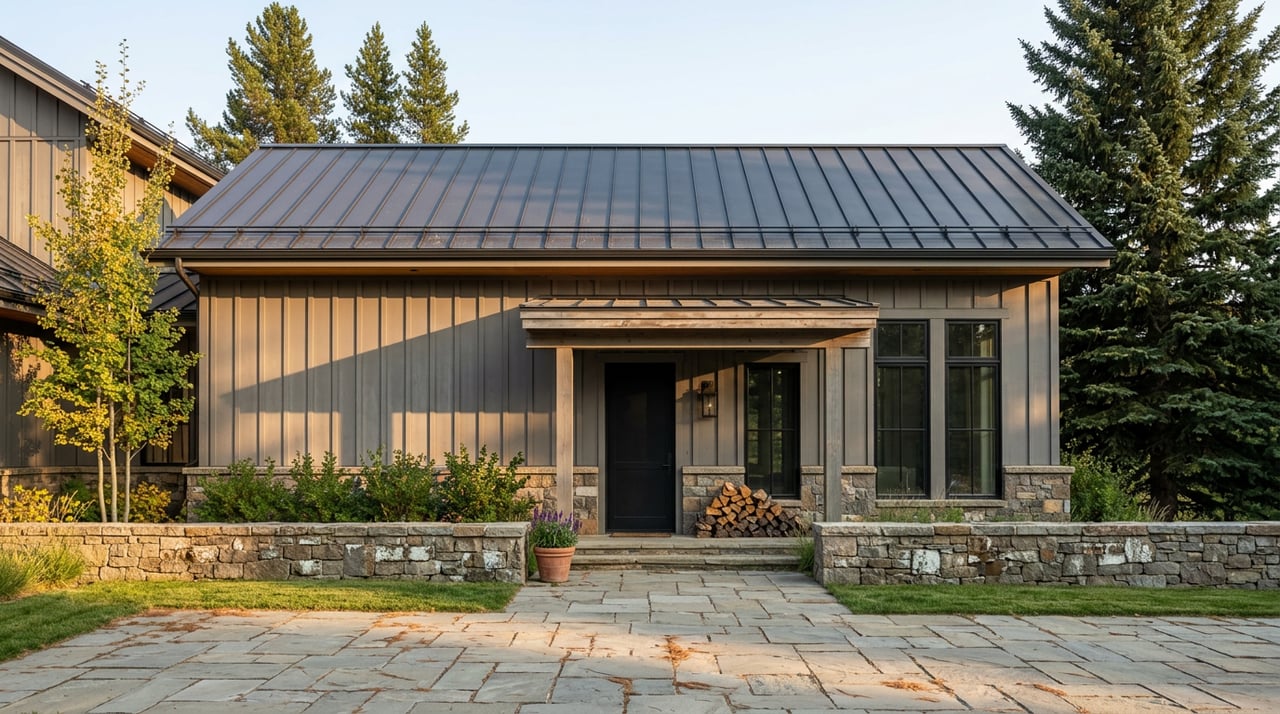
Single‑family homes offer the most privacy and control. You set your furnishing standard, plan upgrades on your own schedule, and larger homes can command high nightly rates for groups. If you value long‑term use or flexible rental strategies, a home may fit.
The tradeoffs: you take on all exterior maintenance, snow management, and potentially septic or well systems. Many homes also sit in the wildland‑urban interface, which can increase insurance costs and complicate coverage. Distance to lifts can reduce winter rates unless the home is uniquely positioned or very high end.
Rental potential and operating costs
Your rental outcome hinges on a few key inputs: proximity to lifts and amenities, size and condition, channel mix, and active revenue management. Peak periods, like holiday ski weeks and mid‑summer, typically drive a large share of annual revenue. Local managers recommend reviewing 24 to 36 months of monthly occupancy and ADR for the exact unit and a comparable set. Here is a helpful overview on evaluating Big Sky vacation rental potential.
When you model expenses, include:
- HOA dues. For condos, this is often your largest fixed cost and can vary from hundreds to several thousand dollars per month based on services.
- Management. Full‑service managers often charge about 15 to 30 percent of gross rental revenue, plus cleaning and maintenance. A quick industry overview of fee ranges is available in this evaluation guide for vacation rental managers.
- Turnover and supplies. Cleanings, linens, restocking, and minor repairs add up, especially in high‑turnover condo hotels.
- Taxes and remittances. Model Montana’s state lodging taxes and Big Sky’s Resort Tax as pass‑throughs on qualifying stays. Review state rules on the Montana lodging tax page and local guidance at the Resort Tax site.
For tax planning, personal use days affect how you report income and deductions. The IRS outlines the tests and examples in Publication 527.
Insurance and wildfire considerations
Big Sky sits in the wildland‑urban interface, and wildfire risk can affect insurability and premiums. Before you finalize an offer, get firm property and liability quotes, including any short‑term rental endorsements if applicable. The Big Sky Fire Department provides building and insurance guidance for the area, and local reporting highlights the region’s exposure to major fires. Read more on Big Sky’s WUI context in this Mountain Journal article.
Also budget for cold‑climate upkeep. Winterization, snowplow contracts, heated driveways on some homes, and freeze protection for plumbing can be meaningful annual costs compared with warm‑weather markets.
Financing and eligibility
How you plan to use the property drives financing. Lenders price and underwrite primary residences, second homes, and investment properties differently. Expect larger down payments and stronger reserve requirements for second homes and investments. A practical overview of second‑home financing considerations is available in this second home buyer guide.
If you are buying a condo, ask your lender to review the building’s warrantability early. Non‑warrantable buildings may require portfolio financing with different terms. Because Big Sky crosses county lines, confirm taxes, levies, and title details for the exact parcel.
Due diligence checklist
Before you write an offer, request or verify the following:
- HOA and condo documents. CC&Rs, bylaws, rental policies, budget, reserve study, meeting minutes, insurance certificates, and any special assessments.
- Unit‑level performance. Monthly gross bookings, ADR, occupancy, platform fees, cleaning, maintenance, taxes collected and remitted, and net to owner for 24 to 36 months. Use this rental evaluation framework to guide your asks.
- STR permits and licenses. Zoning compliance, public accommodations or health permits, and local registrations. Start with Gallatin County’s short‑term rental FAQs and confirm details for the parcel’s county.
- Hazard and insurance. WUI map if available, mitigation history, recent fire department inspections, and firm quotes for property and liability coverage. Review local insurance guidance and WUI context via Mountain Journal.
- Financing pre‑check. Pre‑approval for your intended occupancy type and condo warrantability if applicable. For general context, see this second home financing overview.
- Physical inspections. Roof, siding, windows, HVAC, plumbing and freeze protection, driveway layout and snow storage, and septic or well systems if present. Include realistic furnishing or upgrade budgets.
- Tax planning. Confirm what each platform collects for lodging and resort taxes, register as required, and review personal use and deduction rules in IRS Publication 527.
Which option fits you best
- Condos. Maximum convenience, minimal day‑to‑day maintenance, strongest winter demand near lifts, and the highest likelihood of strict HOA rules and higher dues.
- Townhomes. A balanced choice with more space and privacy, HOA support for exteriors, and often strong year‑round appeal.
- Single‑family homes. The most privacy and control with larger group potential, but higher maintenance, insurance complexity, and more variable rental income unless the location is exceptional.
Smart next steps
- Narrow to 2 or 3 target areas, such as the base area, Meadow or Town Center, or private club communities, and review property‑type trends.
- For any serious listing, request the full HOA packet and 24 to 36 months of unit‑level financials. Verify zoning and permits with the county’s STR guidance.
- Get pre‑approved for your intended use. Share the property type and any condo warrantability questions with your lender early.
- Obtain insurance quotes and ask for a wildfire mitigation briefing from the local fire department using their building and insurance resources.
- Loop in a CPA for tax planning and an attorney to review CC&Rs and rental restrictions before you remove contingencies.
Ready to compare real listings and run numbers side by side? Let’s make the tradeoffs clear so you can buy with confidence. Schedule a conversation with Carissa Maus (Paulson) to map your goals to the right Big Sky property type and neighborhood.
FAQs
What Big Sky taxes apply to short‑term rentals?
- Montana applies an 8 percent lodging facility sales and use tax to most stays under 30 days, and Big Sky adds a 4 percent Resort Tax on qualifying stays, so plan for roughly 12 percent or more to be collected and remitted before fees.
How do county lines affect a Big Sky purchase?
- Big Sky spans Gallatin and Madison counties, and county differences can affect zoning, permitting, property taxes, emergency services, and special levies, so confirm the parcel’s county and records for the exact address.
What makes lift‑side condos rent so well in winter?
- Proximity to lifts is a top driver of nightly rates and occupancy, and Big Sky’s ongoing tram and gondola upgrades continue to strengthen demand for true ski‑in/ski‑out units near the base.
What insurance issues should I expect in Big Sky’s WUI?
- Many properties sit in the wildland‑urban interface, which can raise premiums or limit carrier options; get firm property and liability quotes early and ask about mitigation steps and any short‑term rental endorsements.
How should I evaluate a unit’s rental potential?
- Request 24 to 36 months of monthly occupancy and ADR, full P&Ls, cleaning and maintenance logs, booking channel mix, and net‑to‑owner figures, then compare results with a realistic management and tax model.