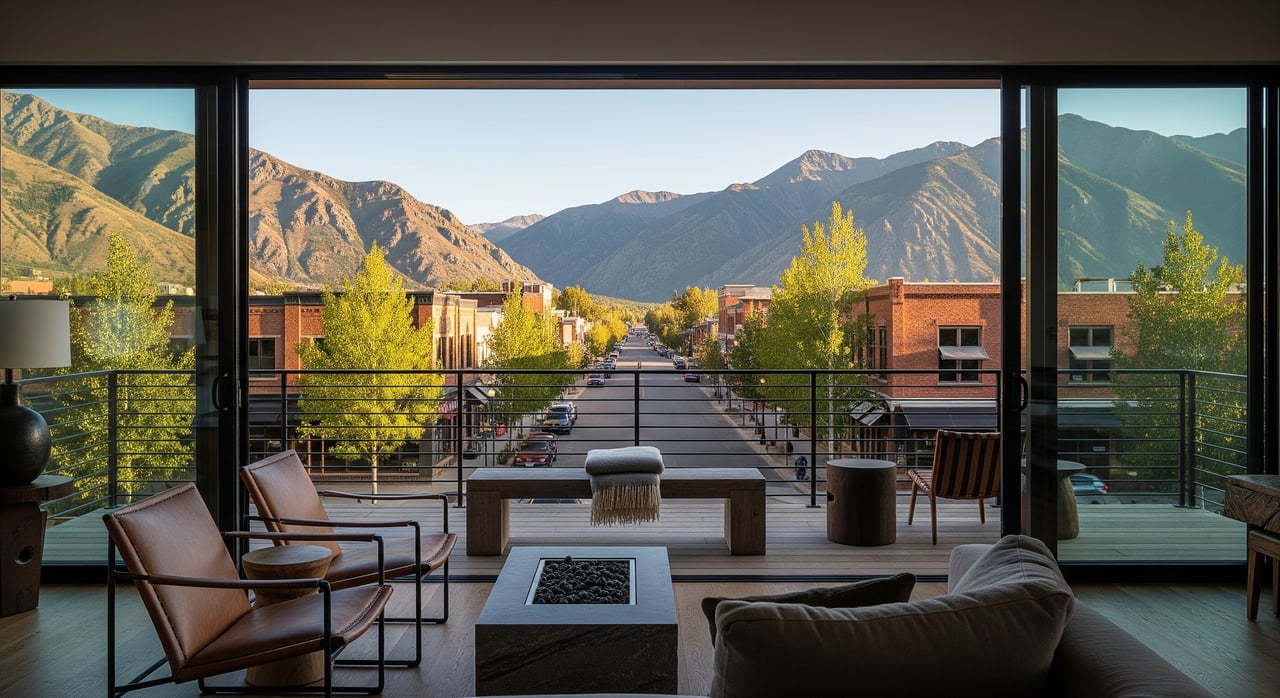
What if your morning coffee, lunchtime trail run, and evening concert all lived within minutes of each other? In Bozeman, you can shape a day around both Main Street energy and mountain quiet. If you are exploring a move, you likely want the real picture of daily life, not hype. This guide walks you through neighborhoods, seasons, outdoor access, commutes, schools, and services so you can see how your life might fit here. Let’s dive in.
Main Street rhythm
Downtown Bozeman centers on historic brick storefronts, local restaurants, coffee shops, breweries, and galleries. It is walkable, social, and active during the day and evening. Seasonal events and arts programming create a steady calendar of things to do. For a sense of the downtown vibe and annual events, browse the guides from Visit Bozeman.
In summer, festivals and outdoor concerts bring the community together. The Sweet Pea Festival is a signature celebration with art, music, and family-friendly activities. Throughout the year, you will also find rotating exhibits and lectures connected to the university and local organizations.
Neighborhood snapshots
Bozeman’s neighborhoods balance walkability, yard space, trail access, and commute time in different ways. Here is a quick overview to help you compare.
- Downtown and Main Street
- Historic core with restaurants, shops, and a lively sidewalk scene. Some condos and apartments are mixed into the area, with nearby blocks of older single-family homes. Good if you want a walkable lifestyle close to dining and arts.
- Near MSU and north of Main
- A blend of student life, rentals, and established residential streets. You are close to campus events and cultural venues.
- West side and newer subdivisions
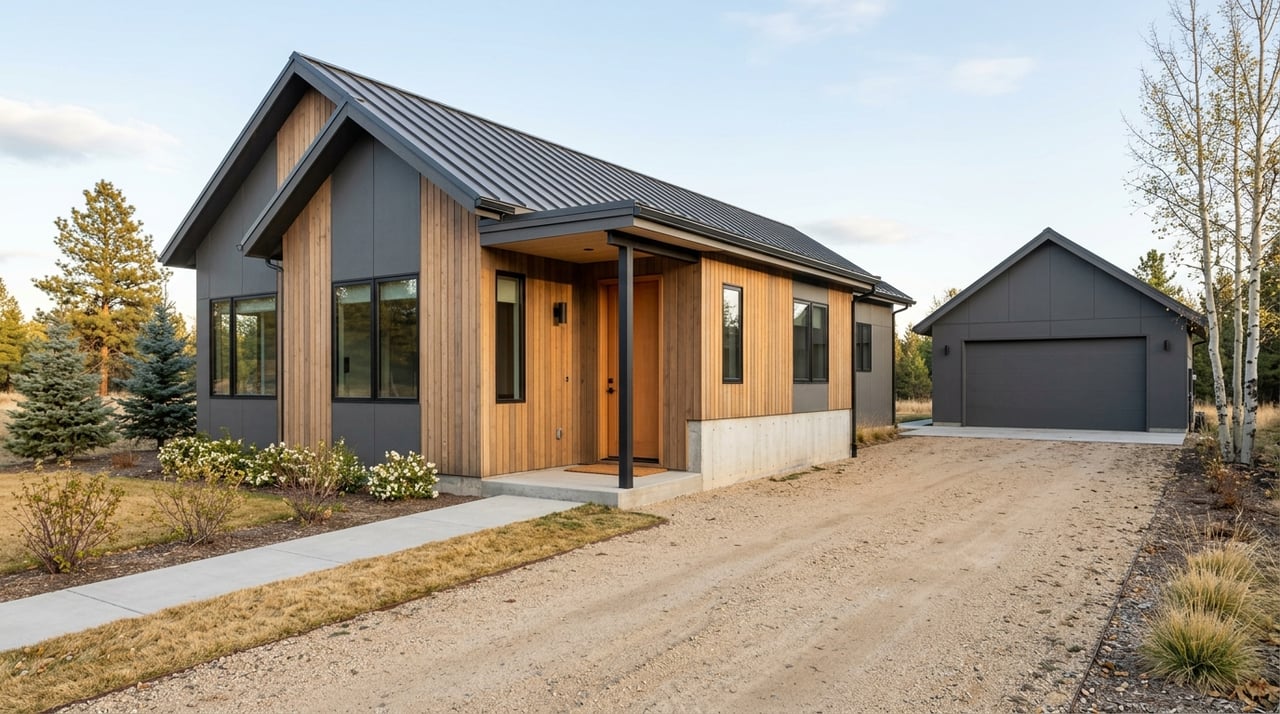
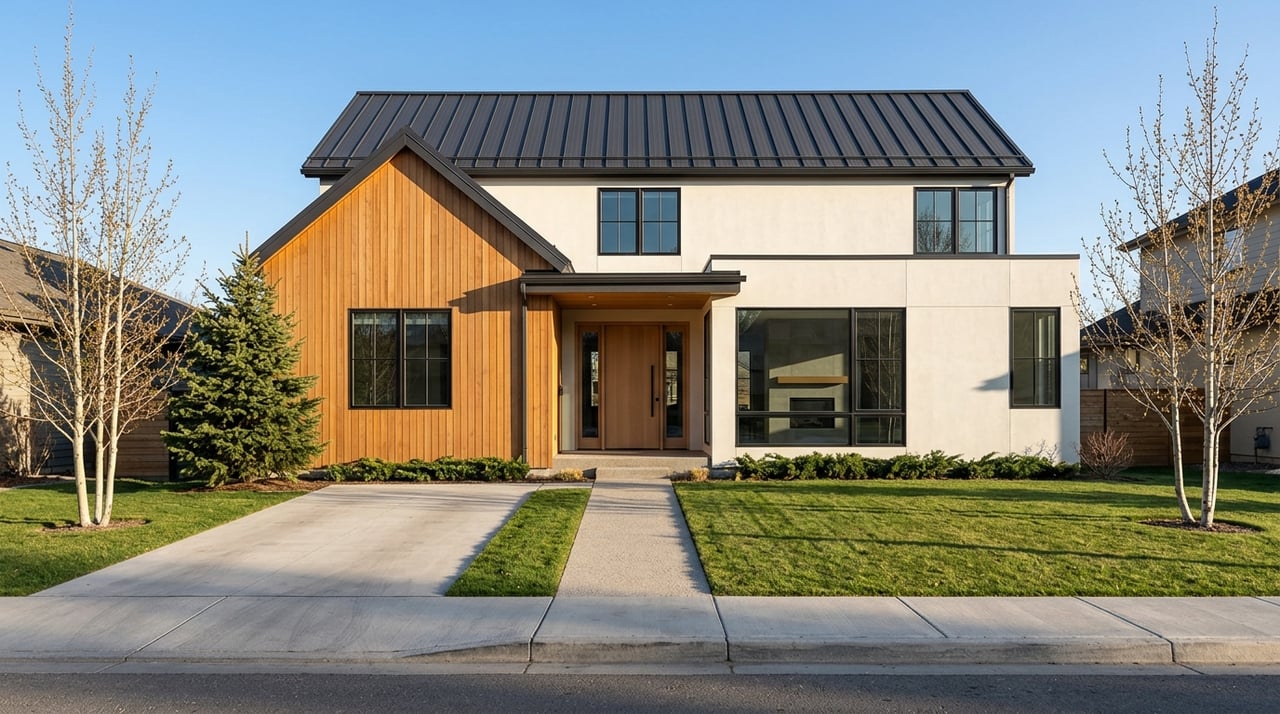
- Newer single-family homes, larger lots in some areas, and shopping centers along the main corridors. Generally more car-dependent, with options for newer construction and yards.
- Bridger Canyon and foothills
- Scenic settings near the Bridger Range with quicker access to trailheads and alpine terrain. Expect a shorter drive to skiing and hiking, and a longer drive to some services.
- Outlying towns in the valley
- Belgrade, Manhattan, and Three Forks offer small-town main streets and more space. These areas can mean a quieter setting with a commute into Bozeman.
Tradeoffs to consider include walkable downtown energy versus larger lots, proximity to trailheads versus winter driving exposure, and newer builds versus older character homes. City parks and paths connect many areas, and you can preview options on the City of Bozeman parks and trails page.
Seasons that shape your routine
Bozeman life changes with the seasons, which is part of the appeal. Each period has its own rhythm.
Winter
From late November into spring, many residents carve out time for skiing and snow days. Bridger Bowl is the local ski area, and Big Sky is a common day trip for larger resort terrain. Short daylight hours and snow influence commutes and errands, but downtown stays lively with cozy dining and evening events. Homeowners plan for snow removal and higher heating needs.
Spring
Spring is a shoulder season. Low-elevation trails can be muddy, while higher elevations still hold snow. Garden planning and yard projects pick up. Community markets and outdoor events begin to reappear as late spring turns to summer.
Summer
Long daylight hours open up after-work hikes, river time, and patio dinners. It is peak season for hiking, mountain biking, and community festivals. Guides from Visit Bozeman can help you map out events and weekend outings.
Fall
As temperatures cool, locals make the most of trail running, biking, and scenic foliage. Regional hunting and fishing seasons are top of mind for many. For regulations and safety, review resources from Montana Fish, Wildlife & Parks.
Outdoor access close to home
If daily outdoor time matters to you, Bozeman delivers convenient options.
- The M Trail and Bridger foothills
- The M is a short, steep workout with big views, popular for quick morning or after-work hikes. Adjacent trails connect to longer ridge routes.
- Hyalite Canyon
- A local favorite for hiking, waterfalls, mountain biking, fishing, and winter ice climbing. It is an easy day trip that becomes part of many weekly routines.
- Rivers and regional corridors
- The Gallatin River and the greater Yellowstone region offer whitewater rafting, fly-fishing, and scenic floats. Always check regulations and seasonal guidelines with Montana Fish, Wildlife & Parks.
- Skiing and snow access
- Bridger Bowl is the go-to hill for many locals. Backcountry travelers should monitor conditions with the Gallatin National Forest Avalanche Center and follow safety best practices.
For in-town recreation, review trail maps and park amenities through the City of Bozeman parks and trails page.
Getting around and travel
Inside the city core, many commutes are short. You will see plenty of bikes in warmer months and a steady stream of cars year-round. There is local bus service along key corridors, though most daily errands and outdoor trips are car-based. Typical cross-town drives range from about 10 to 25 minutes, with longer times during winter weather.
If you travel often, Bozeman Yellowstone International Airport provides regional air service with routes that vary seasonally. It is a practical hub for both business and family visits.
Schools and lifelong learning
Bozeman Public Schools operate a network of elementary, middle, and high schools across the city. You can explore attendance maps, programs, and enrollment timelines with the Bozeman School District. Families often consider school capacity and program offerings alongside neighborhood choice.
Montana State University is a major presence in daily life. It adds sports, public lectures, arts programming, and continuing-education options. The campus is also home to the renowned Museum of the Rockies, which attracts residents and visitors with rotating exhibits.
Health care and daily services
Bozeman is served by Bozeman Health, which offers hospital services and many specialty clinics. Most routine care needs are met locally, though some residents travel to larger regional centers for certain specialties. Inside city limits, municipal services, snow removal, and deliveries are generally reliable. Rural properties may require private snow removal and specific utility planning.
Housing realities and how to plan
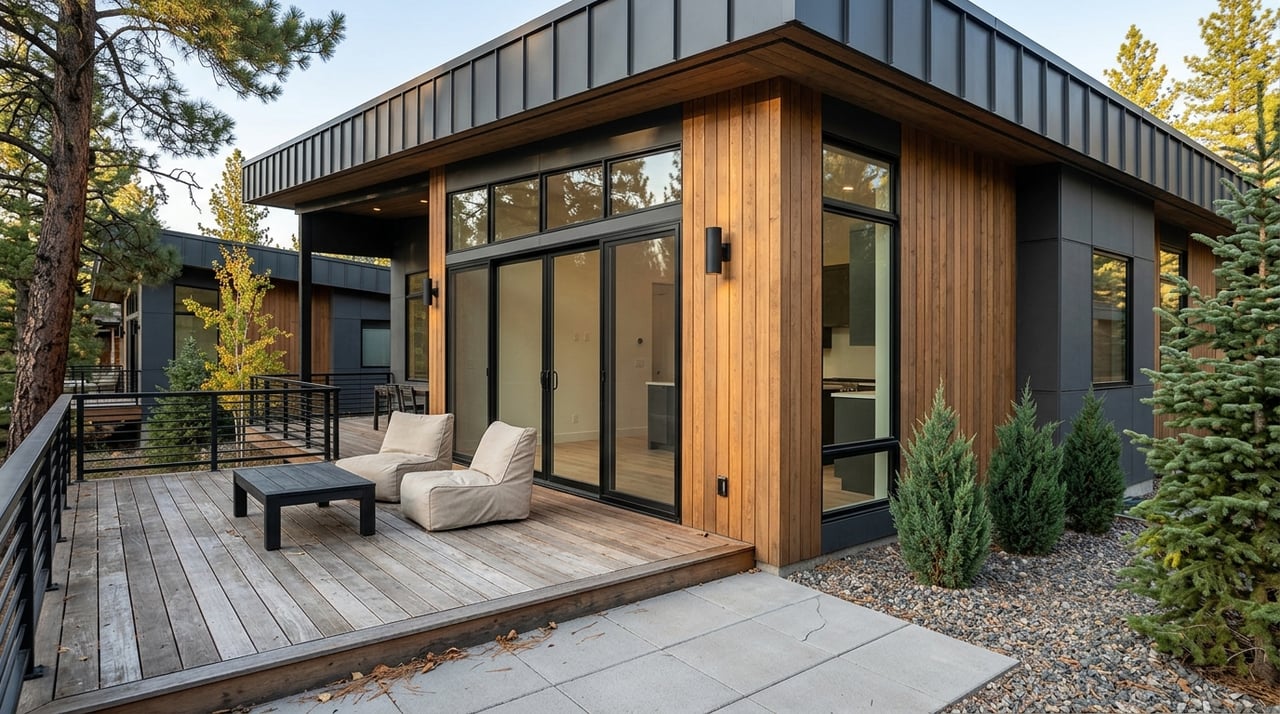
Bozeman’s housing costs are above Montana’s state average and many national averages. Demand has risen with in-migration and limited supply, especially close to downtown and trailheads. You will find a mix of options: historic homes near Main Street, condos and apartments near MSU, newer single-family homes on the west side, and rural acreage outside the city.
Because the market moves quickly, it helps to define your must-haves early. Consider these tradeoffs:
- Walkability versus yard size and garage space
- Proximity to trailheads versus winter road exposure
- Newer construction and HOAs versus older character homes and smaller lots
If you are relocating, plan a scouting visit to tour neighborhoods at different times of day. It is also smart to understand local permitting and renovation norms if you are considering improvements. A local advisor with construction and development insight can help you match lifestyle goals with the right property type and location.
A day in the life
Picture a weekday. You grab coffee near Main Street, then squeeze in a brisk hike on the M before logging on. Lunch means a quick bite downtown or a meet-up on the MSU side of town. As the day winds down, you hit a patio, a gallery event, or a public lecture. Weekends stretch into longer trail days, fly-fishing on the Gallatin, or laps at Bridger Bowl midwinter.
Newcomer checklist
Use this quick list to shape your move timeline and focus.
- Map your routine
- Identify the three places you will visit most often: work, school, and preferred trailheads. Compare drive times from each neighborhood.
- Plan for seasons
- Budget for winter tires, snow removal, and heating. In spring, expect “mud season” on some trails and plan alternate routes.
- Research schools and programs
- Review boundaries, enrollment windows, and offerings with the Bozeman School District.
- Build your outdoor toolkit
- Learn trail etiquette and seasonal closures on city and county pages. For backcountry travel, follow the avalanche center’s updates. For river use and wildlife rules, check Montana Fish, Wildlife & Parks.
- Confirm daily logistics
- Review your health care options through Bozeman Health. If you travel often, check flight schedules at Bozeman Yellowstone International Airport.
Ready to see how your day-to-day could look here? If you want a local, construction-savvy perspective on neighborhoods, renovation potential, and lifestyle fit across the Gallatin Valley, reach out to Carissa Maus (Paulson). You will get clear next steps, trusted guidance, and a plan tailored to your move.
FAQs
What is everyday life like in downtown Bozeman?
- Downtown offers a walkable mix of restaurants, coffee shops, galleries, and year-round events, with a lively day and evening scene supported by guides from Visit Bozeman.
How close are trailheads and skiing to Bozeman homes?
- Popular trailheads such as the M are within minutes of town, and Bridger Bowl is an easy drive; expect longer day trips for larger resort terrain and some seasonal road variability.
What should I know about winter in Bozeman?
- Plan for snow, shorter daylight, and slower commutes; many residents ski regularly and monitor safety resources like the avalanche center for backcountry travel.
Which schools serve Bozeman residents?
- Bozeman Public Schools operate local elementary, middle, and high schools; you can review boundaries, programs, and enrollment steps on the district site.
What health care is available in Bozeman?
- Bozeman Health provides hospital and clinic services for most routine and many specialty needs, with some residents traveling regionally for certain specialties.
Are there year-round things to do beyond the outdoors?
- Yes, including university lectures, the Museum of the Rockies, and community festivals like the Sweet Pea Festival, plus rotating arts and music events throughout the year.