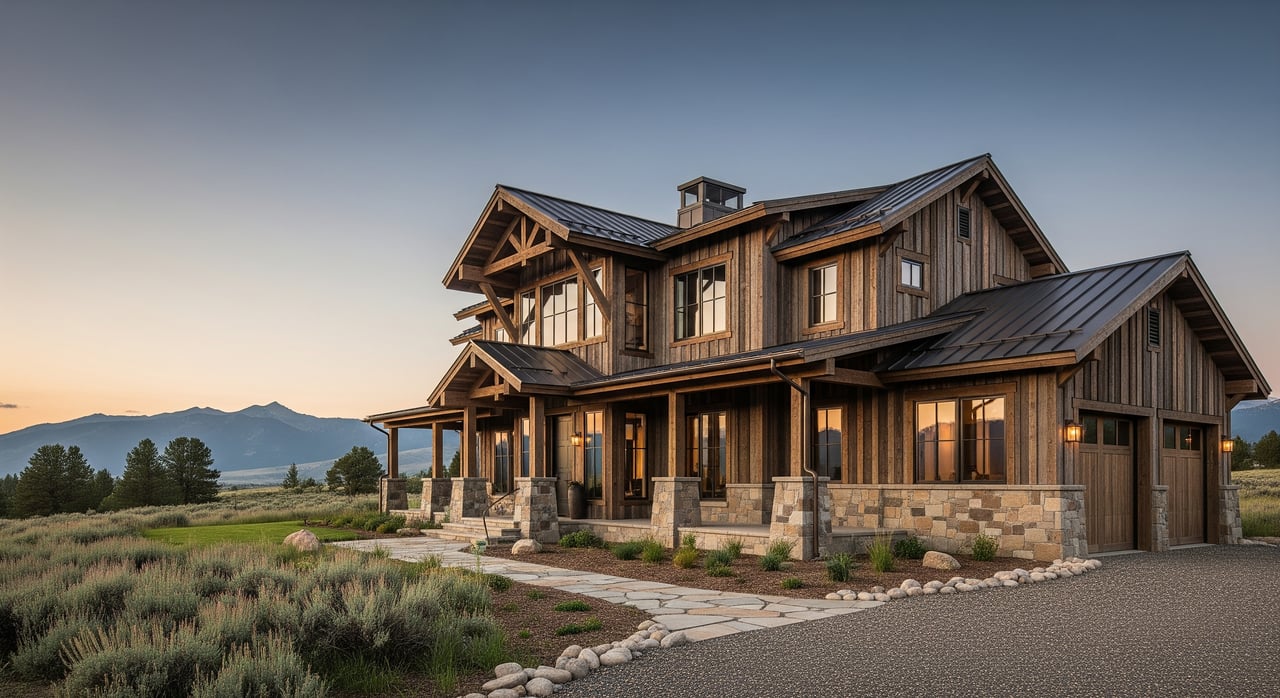
Thinking about building in Manhattan, Montana, but not sure if a spec home or a custom build is the better fit? You want the space, views, and small-town feel, yet you also want a smart plan for timing, costs, and long-term value. In this guide, you’ll learn how spec and custom homes compare in the Manhattan area, what local factors matter most, and how to move forward with confidence. Let’s dive in.
What spec and custom mean
A spec, or speculative, home is built by a builder without a specific buyer in place. The builder sets the floor plan, finishes, and price, then sells the home when it is complete or near completion.
A custom home is built for you under contract. You choose the lot or work with your agent to secure one, then collaborate on design, materials, and systems to match your goals and the site.
Manhattan market context
Manhattan sits along U.S. Highway 287 between Belgrade and Three Forks, within commuting distance of Bozeman and the regional airport. In recent years, Gallatin County has seen strong in-migration tied to outdoor access, remote work, and local employment growth. That demand has pressured housing supply in smaller communities like Manhattan.
Because the market can shift with tourism, university employment, and mortgage rates, timing matters. Spec builders may adjust inventory quickly. Custom projects rely more on your timeline and contractor availability.
Pros and cons at a glance
Spec homes
- Pros: Faster move-in, clear pricing if the builder offers a fixed price, simplified financing similar to resale, and the ability to see a finished or nearly finished product.
- Cons: Limited design control and finishes set by the builder. Energy features and customization vary by builder. Warranties depend on the builder program.
Custom homes
- Pros: Full design control, site-specific planning for views and solar orientation, and the chance to select high-performance systems and materials.
- Cons: Longer timelines, higher management involvement, potential cost and schedule risk, and the need for construction-to-perm or similar financing.
What matters most in Manhattan
Land and lots
Lot options often come from small subdivisions or rural parcels. Many properties rely on private wells and septic systems. Lot slope, access, utility distance, and soil conditions can make or break your budget.
- Verify septic feasibility with a soil or perc test.
- Review well reports and water-rights considerations.
- Confirm setbacks, building envelopes, and any covenants.
Utilities and infrastructure
Private wells and on-site septic are common outside town limits. Extending electric, gas, or fiber to a remote lot can add notable cost. Broadband availability varies in rural parts of Gallatin County, so check service before you commit to a lot.
Zoning and permitting
Permits and land-use approvals are handled by the Town of Manhattan for properties in town and by Gallatin County in unincorporated areas. Setbacks, height limits, lot coverage, and accessory structures can differ by location. Subdivision and road standards add time and cost for new plats.
Climate and performance
Cold winters and snow loads require appropriate foundation and roof design, insulation, and HVAC sizing. Energy code compliance is required, and many buyers prioritize high-performance envelopes, efficient systems, and durable exterior materials. Some parcels sit in wildland-urban interface areas, so defensible space and ember-resistant construction may be recommended or required.
Contractors and logistics
The regional construction market is active, which can create scheduling pressure. Experienced local builders and architects who understand wells, septic, snow loads, and site access are valuable. Remote lots may require road improvements, snow removal plans, and careful haul routes.
Timeline and process
Spec home timeline
If construction is complete or near completion, you may close in weeks to a few months. Buying during framing sometimes allows limited finish selections. Your move-in date depends on build stage and final inspections.
Custom home timeline
Expect roughly 9 to 18 months from design through move-in, depending on complexity, site work, and contractor availability. Seasonal factors and permit timing can add weeks or months.
Permits and approvals
For both paths, common approvals include building, mechanical, plumbing, and electrical permits. Rural lots often need septic approvals and well permits. In some cases, grading permits or subdivision approvals apply. Plan for review cycles, inspections, and any HOA or architectural reviews.
Financing and contracts
Financing differences
- Spec: Often financed like a resale with a conventional mortgage. If you purchase before completion, the builder’s structure and lender requirements will guide your options.
- Custom: Typically uses a construction loan that converts to a permanent mortgage. Lenders require a detailed budget, builder qualifications, inspections for draws, and a contingency reserve.
Contract types
- Fixed-price: Common for spec packages and some customs. You know the price, while change orders add cost.
- Cost-plus: You pay actual costs plus a fee. Transparency is higher, price certainty is lower.
- Guaranteed maximum price: Sets a ceiling, sometimes with shared savings. Useful for custom projects with clearly defined scopes.
Key clauses to understand: change-order process, allowances and how they settle, scheduled completion and remedies, warranty terms, materials and workmanship specifications, and lien waivers.
Warranties and inspections
Spec builders often provide limited warranties, such as one year on workmanship and longer on structural elements, or a third-party structural warranty. Regardless of spec or custom, schedule independent inspections and verify final permit sign-offs, well and septic documentation, and warranty procedures.
Costs and resale in Manhattan
Primary cost drivers
- Lot and site work: Grading, excavation, driveways, and retaining walls vary with topography.
- Utilities: Trenching, well drilling, septic design and installation, and extending power or fiber.
- Foundation: Crawlspace or basement decisions affect budget and performance.
- Structure and finishes: Windows, doors, cabinetry, flooring, and specialty systems like radiant heat or solar.
- Labor: Availability and seasonality can influence bids and timelines.
- Fees and permits: Local impact fees and assessments where applicable.
- Materials: Lumber and window lead times can shift pricing, so build contracts should address allowances and volatility.
Resale and marketability
Spec homes can sell quickly when the builder, floor plan, and finishes align with local preferences and price points. Custom homes can achieve premium value when the design and execution match market tastes, yet hyper-specific choices may narrow the future buyer pool. For both, location, lot orientation, views, outdoor usability, and energy performance drive long-term appeal.
Step-by-step checklist
Pre-purchase due diligence
- Confirm zoning and permitted uses.
- Verify utility availability and hookup distances and costs.
- Order a soil or perc test for septic feasibility.
- Review well reports or require a water test.
- Obtain a current survey, confirm easements, rights-of-way, and setbacks.
- Check floodplain and wetlands mapping.
- Review covenants or HOA design rules.
Professionals to involve
- A local real estate agent experienced in new construction in Gallatin County.
- Local builders and, for custom, an architect or design-build firm.
- Civil engineer or site designer for grading, drainage, or septic design.
- Geotechnical engineer for unusual soils or slopes.
- Surveyor for corners and finished grade.
- Title company or attorney to review easements and covenants.
- Local permitting authority for submittal requirements.
Documents to request from a builder
- Insurance certificates and license information.
- Subcontractor and supplier lists.
- Detailed specifications beyond allowances.
- Project schedule and milestones.
- Warranty coverage and claim process.
- Change-order policy and approval steps.
- Evidence of code compliance and final inspections.
Which path is right for you?
Choose a spec home if you want a faster move-in, predictable pricing, and a simpler process. This can be ideal if you are relocating for work, want to lock a rate soon, or need clarity on timing.
Choose a custom home if you value tailored design, want to optimize your lot for views and solar, or plan to include advanced energy features. Be ready for a longer timeline, hands-on decisions, and a financing structure that supports construction draws.
If you are weighing both options in Manhattan, consider your move-in deadline, your appetite for decisions and project risk, and your lot’s specific needs for wells, septic, access, and utilities.
Ready to compare real options on the ground in Manhattan and the Gallatin Valley? Let’s map your timeline, run cost scenarios, and match you with vetted local builders. Reach out to Carissa Maus (Paulson) to get started.
FAQs
What is the difference between spec and custom homes in Manhattan, Montana?
- Spec homes are built without a specific buyer and sold when complete or near completion, while custom homes are designed and built under contract for you with full involvement in plans and finishes.
How long does a custom build take in Gallatin County?
- Many custom projects take 9 to 18 months from design through move-in, depending on site work, permit timing, weather, and contractor availability.
What financing do I need for a custom home in Manhattan?
- Most custom builds use a construction loan that converts to a permanent mortgage, with lender requirements for budgets, builder vetting, draw inspections, and contingency reserves.
What permits are required to build in the Town of Manhattan or unincorporated areas?
- Expect building, mechanical, plumbing, and electrical permits, plus septic and well approvals for rural lots, and possibly grading or subdivision reviews depending on location.
Should I inspect a new spec home before closing in Montana?
- Yes. Order a home inspection and verify final permit sign-offs, well and septic documentation, and warranty terms and procedures before closing.
Which is cheaper in Manhattan, a spec or custom home?
- Spec homes can have lower per-square-foot costs due to standardized designs and purchasing power, while custom builds vary based on lot conditions and your level of finishes and customization.
How important is builder reputation in Gallatin County?
- Very important. Reputation influences build quality, adherence to schedule, warranty support, and future resale value.