If your best days blend focused work, a good cup of coffee, a short walk outside, and a little creative energy, Livingston may feel like a natural fit. For many people relocating to Montana, the question is not just where you will live, but how your everyday routine will actually work. This guide walks you through what a creative or remote-work rhythm can look like in Livingston, from morning work spots to midday trail breaks and year-round lifestyle realities. Let’s dive in.
Why Livingston Works for Flexible Days
Livingston stands out less as a traditional coworking hub and more as a place where you can build your own routine from local spaces and walkable downtown amenities. Downtown is known locally for its historic and scenic setting, with original art, handicrafts, regional books, European-style bakeries, independently owned coffee shops, and a brewery all part of the mix.
That matters if you want your day to feel varied rather than boxed into one desk and one building. In Livingston, a productive schedule can include morning coffee, focused laptop time, a trail break, and an art stop downtown, all without needing a big-city office district.
The local arts presence is especially visible for a small city. The Livingston Chamber’s arts directory includes the Livingston Gallery Association, Parks Reece Gallery, Teslow Art Center, Yellowstone Gateway Museum, and Livingston Center for Art and Culture. Project49’s Studio49 also adds a community art studio and maker space on Main Street.
Start the Morning Strong
A remote-work day usually begins with a reliable anchor. In Livingston, that often means coffee, breakfast, and a place where you can settle in before the day speeds up.
Coffee Shops With Early Starts
Several local spots make it easy to ease into the day on your own schedule.
- The Gem at 114 W Lewis St. serves specialty coffee, drip coffee, pastries, and grocery basics. It is open daily from 7 a.m. to 3 p.m.
- Perk on Park offers coffee, breakfast, lunch, and fresh baked goods. Chamber-listed hours are 6 a.m. to 1 p.m. Monday through Saturday and 7 a.m. to 1 p.m. on Sunday.
- RX Coffee on East Park Street opens at 5:30 a.m. on weekdays and 6 a.m. on weekends, with pastries, sandwiches, and burritos.
These early hours give you options whether you like to answer emails at sunrise or ease into your first meeting after breakfast. If you are comparing Livingston with larger Montana markets, the appeal here is not volume. It is the ability to build a simple, repeatable routine close to home.
A Practical Backup for Workdays
Reliable backup space matters when you work from home. The Livingston-Park County Public Library is available to residents seeking information, technology, and learning resources, and the city lists computer and internet access as a public resource.
That gives you a useful fallback if your home setup is temporarily not enough for the day. It also adds flexibility for people who want a quieter place to reset between meetings or tasks.
Build a Workday Around Downtown
One of Livingston’s strengths is how easily daily life can move between work and personal interests. You are not limited to a home office and a commute. Instead, you can stitch together a day from small, local touchpoints.
A typical rhythm might look like this:
- Grab coffee and breakfast downtown.
- Work through your highest-focus tasks in the morning.
- Step out for a short walk or trail break around midday.
- Return for calls, admin work, or creative projects.
- Wrap the day with a gallery visit, maker space time, or an easy downtown errand.
For many buyers considering Livingston, that pattern is part of the appeal. The town supports a lifestyle where work, creativity, and everyday errands can sit closer together.
Midday Breaks Are Easy Here
When you work remotely, a good midday reset can change the entire day. Livingston makes that easier because outdoor access is close and practical, not something you have to save for the weekend.
The city says its Parks Division maintains more than 8.5 miles of trail systems and 173 acres of green space. That gives you room to take a real break without turning it into a full outing.
Trails Near Daily Life
Livingston’s trail network includes several options that fit into a lunch hour or a break between calls.
- Hwy 89 South Bike Path runs about 4.5 miles, beginning near downtown and heading south along Park Street to Carter’s Bridge.
- Yellowstone River Levy Trail offers direct access to Sacajawea Park, the Band Shell, and Miles Park Baseball Complex.
- Bozeman Trail follows Fleshman Creek and includes two small lakes.
- Myers’ River View Trail adds Yellowstone River views, natural benches, and a lookout.
For remote workers, this kind of access can make the day feel more balanced. A short walk, a few minutes by the river, or a quick outdoor reset can be part of your regular week instead of a special plan.
The Arts Scene Adds Daily Texture
Livingston’s creative identity is not tucked away. It shows up in the daily rhythm of downtown and in the number of arts organizations visible in the community.
If you are a designer, writer, photographer, maker, or simply someone who wants creative energy nearby, that can shape how a place feels over time. Even if your job is fully online, being around art and hands-on spaces can make your weekly routine feel more connected and less isolated.
Places That Support Creative Life
Local arts infrastructure includes formal galleries, community spaces, and seasonal events.
- Livingston Center for Art and Culture is part of the local arts network highlighted by the Chamber.
- Studio49 by Project49 adds community studio and maker space access on Main Street.
- Livingston Gallery Association helps organize local gallery activity.
- Fourth Friday Art Walks run for four months in summer and once in winter.
This kind of setup supports a creative lifestyle in a practical way. You may not be moving to Livingston for a giant arts district, but you are moving to a place where art is present enough to become part of normal life.
Internet and Workspace Reality Checks
If you work remotely, lifestyle matters, but infrastructure matters too. Livingston’s connectivity is usable, though it should be checked carefully by address.
The city’s growth policy, citing 2019 FCC data, says properties in Livingston had access to cable, ADSL, and satellite broadband networks, with limited fiber access. It also notes occasional outages and weaker high-speed access in the outskirts.
That means you should avoid assuming every property has the same internet experience. If you are planning a move, it makes sense to verify service options at any address you are seriously considering.
What This Means for Buyers
When you are evaluating a home in Livingston, it helps to think beyond square footage and finishes. Your day-to-day routine may depend just as much on practical details like service availability and backup work options.
A smart checklist can include:
- Confirming internet options by exact address
- Asking about service consistency in the immediate area
- Noting proximity to downtown coffee shops or the library
- Thinking about how close you want to be to trails and daily errands
That kind of planning is especially useful if your work requires dependable video calls, file uploads, or a home office that needs steady connectivity.
Winter Changes the Rhythm
Every Montana town has a seasonal personality, and Livingston is no different. Winter does not erase the lifestyle here, but it does change the pace.
In warmer months, outdoor breaks are easier to build into the day and the Gallery Association’s Fourth Friday Art Walks run during four months in summer. In winter, there is still local culture, including one winter Art Walk, but the rhythm shifts more toward indoor spaces and shorter outdoor windows.
If Yellowstone is part of your lifestyle plans, road access also matters. Yellowstone’s North Entrance at Gardiner is the only Yellowstone road generally open year-round to regular vehicles, which makes it the clearest year-round park gateway near Livingston.
The practical takeaway is simple: winter in Livingston works best when you plan for a more local routine. Art, coffee shops, library access, and downtown spaces stay important, while outdoor schedules and regional driving may require more flexibility.
Easy Day Trips for a Reset
A good remote-work lifestyle often includes nearby places where you can break routine without a long travel day. Livingston offers that too.
Chico Hot Springs in Paradise Valley is about thirty miles from Yellowstone’s North Entrance and offers natural geothermal pools, dining, and more than 700 acres of resort grounds. For many people, that creates a slower day-trip option that complements Livingston’s weekday rhythm.
Instead of treating every break as a major getaway, you can think in layers. Downtown covers the everyday routine, local trails support short resets, and places like Chico or the Gardiner gateway give you room for a longer change of pace when you want it.
What to Look for in a Livingston Home
If you are considering a move, the right home will depend on how you want your days to function. For creatives and remote workers, that often means focusing on usability as much as aesthetics.
You may want to weigh:
- Commute time into downtown Livingston, even if you work from home most days
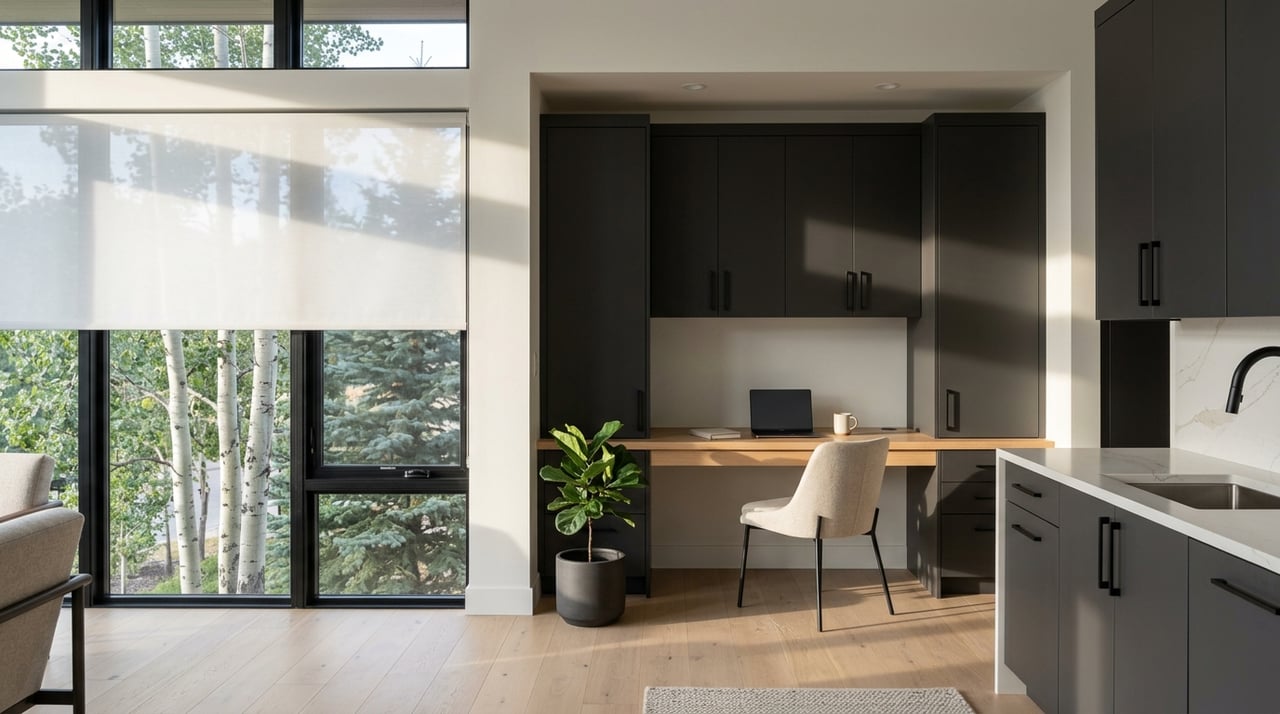
- Space for a dedicated office, studio, or flexible extra room
- Internet availability at the specific property
- Access to parks, trails, and daily coffee spots
- How the home’s location may feel in different seasons
This is where local guidance can make a real difference. A home may look great online, but the day-to-day experience often comes down to details you only catch when you understand the area block by block.
If you are exploring Livingston as part of a move in southwest Montana, working with a local advisor can help you sort through the practical side of the lifestyle, not just the listing photos. If you want help comparing Livingston’s daily rhythm with other nearby options, reach out to Carissa Maus (Paulson) for a free consultation.
FAQs
Is Livingston, Montana good for remote workers?
- Livingston can work well for remote workers who value flexible routines, downtown coffee shops, public library internet access, nearby trails, and a visible arts scene. Internet service should still be verified by address.
Are there coworking spaces in Livingston, Montana?
- Livingston is better understood as a town where you build a flexible workday from cafés, the public library, and community creative spaces rather than from a large dedicated coworking district.
What coffee shops in Livingston open early?
- RX Coffee opens at 5:30 a.m. on weekdays and 6 a.m. on weekends, Perk on Park opens at 6 a.m. Monday through Saturday and 7 a.m. on Sunday, and The Gem opens daily at 7 a.m.
What outdoor breaks are near downtown Livingston?
- Nearby options include the Hwy 89 South Bike Path, Yellowstone River Levy Trail, Bozeman Trail, and Myers’ River View Trail, which offer quick access to walking, river views, and green space.
Does Livingston have an arts scene for creatives?
- Yes. The local arts network includes the Livingston Gallery Association, Parks Reece Gallery, Teslow Art Center, Yellowstone Gateway Museum, Livingston Center for Art and Culture, and Studio49, plus seasonal Fourth Friday Art Walks.
What should homebuyers check before moving to Livingston for remote work?
- Homebuyers should confirm internet availability by exact address, consider backup workspace options like the library, and think about how close they want to be to downtown amenities, trails, and seasonal travel routes.