Wondering if a second home in Big Sky will be as simple as buying the right mountain property and showing up when you can? In reality, ownership here comes with a few extra layers you will want to plan for before you close. From winter access and snow management to HOA rules, district assessments, and wildfire readiness, a little upfront preparation can make your ownership experience much smoother. Let’s dive in.
Why Big Sky second-home ownership is different
Big Sky is not a typical suburban second-home market. It is an unincorporated resort community that spans both Gallatin and Madison counties, with seven special districts, hundreds of HOAs, about 3,000 full-time residents, and peak periods that can reach roughly 15,000 people.
That matters because your planning does not stop at the property line. If you are buying a second home in Big Sky, you also need to understand how HOA rules, district infrastructure, and seasonal service schedules affect day-to-day ownership.
For many buyers, that is not a downside. It simply means the smartest purchase decision is one that looks at the full ownership picture, not just the views, finishes, or ski access.
Start with location details
Before you get too far into the buying process, confirm exactly where the property sits. Big Sky spans county lines, so the parcel’s location can affect taxes, assessments, and the local administrative details tied to ownership.
You will also want to review the HOA and special-district context early. In a market with hundreds of HOAs and multiple districts, those details can shape everything from maintenance responsibilities to recurring costs.
If you are buying from out of state, this step is especially important. Local guidance can help you spot questions that are easy to miss when you are comparing properties from a distance.
Plan for mountain access and winter travel
Big Sky sits off Montana Highway 191, about 45 miles south of Bozeman and 45 miles north of West Yellowstone. Bozeman Yellowstone International Airport is about an hour away, which gives second-home owners relatively convenient air access.
Still, the last leg of the trip is weather-sensitive. Winter road conditions can vary, and local guidance recommends being comfortable driving in snow and using winter tires.
That means your travel plans should include some flexibility. Delayed arrivals, slippery driveways, and weather-related vendor schedule changes are all normal parts of mountain ownership here.
What winter conditions can mean for your home
Big Sky’s climate is a real factor in how you set up and maintain a second home. NOAA data from the Big Sky 2WNW station at 6,590 feet shows an annual mean temperature of 37.7°F, with winter monthly means around 18.0°F in December, 19.2°F in January, and 21.5°F in February.
Heavy snow events are also part of the picture. NCEI storm records show Big Sky area events that included 9 inches of snow in December 1999 and 8 inches in November 2001.
For you as an owner, the takeaway is practical. You should expect snow removal, ice management, and weather-responsive scheduling to be part of routine ownership, especially if the home may sit vacant for stretches.
Build your maintenance plan before winter
One of the good things about Big Sky is that it already has a strong service ecosystem built around resort and second-home ownership. Local business profiles point to year-round property management and vacation-rental management, exterior cleaning, and dedicated snow-and-ice companies serving the area.
That means the bigger challenge is often coordination, not availability. If you wait until the first major storm or the busiest holiday window, scheduling can become harder.
A better approach is to line up your core vendors before you need them. That gives you a working plan for arrivals, departures, storms, and routine upkeep.
Services to arrange early
Consider setting up these services before your first winter season:
- Snow removal for driveways and access areas
- Roof and ice management
- Exterior cleaning and gutter care
- Property management support for vacancy checks and coordination
- Cleaning services for owner stays or guest turnovers
This kind of early planning helps protect the home and reduces stress when travel plans change.
Know your recurring cost buckets
The purchase price is only part of the equation for a second home in Big Sky. Ongoing ownership costs can include local taxes, HOA or district assessments, insurance, snow removal, cleaning, and property-management fees.
Because Big Sky spans both Gallatin and Madison counties, the exact mix depends on the parcel. That is why it is important to look closely at the property’s location and not assume that every home carries the same cost structure.
If you plan to use the home as a short-term vacation rental, there is another cost item to understand. The Big Sky Resort Area District states that businesses and short-term vacation rental owners within the district must collect a 4% resort tax on taxable luxury goods and services.
A simple ownership budget framework
When you evaluate a property, it helps to group costs into clear categories:
| Cost category | What to review |
|---|---|
| Property taxes | County property taxes based on taxable value and mill rates |
| District charges | Any approved special-district taxes or improvement fees |
| HOA costs | Dues, assessments, and property-use rules |
| Seasonal services | Snow removal, roof service, exterior care, and cleaning |
| Oversight | Property-management fees and vacancy support |
| Rental-related taxes | The 4% resort tax where applicable |
A framework like this makes it easier to compare properties side by side and understand the real annual carrying cost.
Treat wildfire readiness as part of ownership
Snow gets a lot of attention in Big Sky, but wildfire planning matters too. Big Sky Fire Department serves an 80-square-mile district in Gallatin and Madison counties and provides EMS, structural and wildland fire suppression, rescue, and hazardous-materials response.
For second-home owners, the key point is that wildfire readiness is not a one-time checklist item. It should be part of your regular property-care plan, especially if the home will be vacant for extended periods.
Big Sky Fire offers home risk assessments, HOA consults, emergency-notification registration, and defensible-space education. It also notes that more than 75% of Montana wildfires are human-caused, which makes routine prevention and awareness especially important.
Practical wildfire steps for second-home owners
A few simple actions can go a long way:
- Register for local emergency alerts
- Ask about a home risk assessment
- Review defensible-space practices for the property
- Coordinate with your HOA if the home is in a managed community
- Make vacancy monitoring part of your property-care routine
Visit Big Sky also advises residents and visitors to sign up for alerts about wildfires, road closures, and severe weather. While you are in town, local updates are available by texting BIGSKY to 888777.
Choose materials and systems for real use
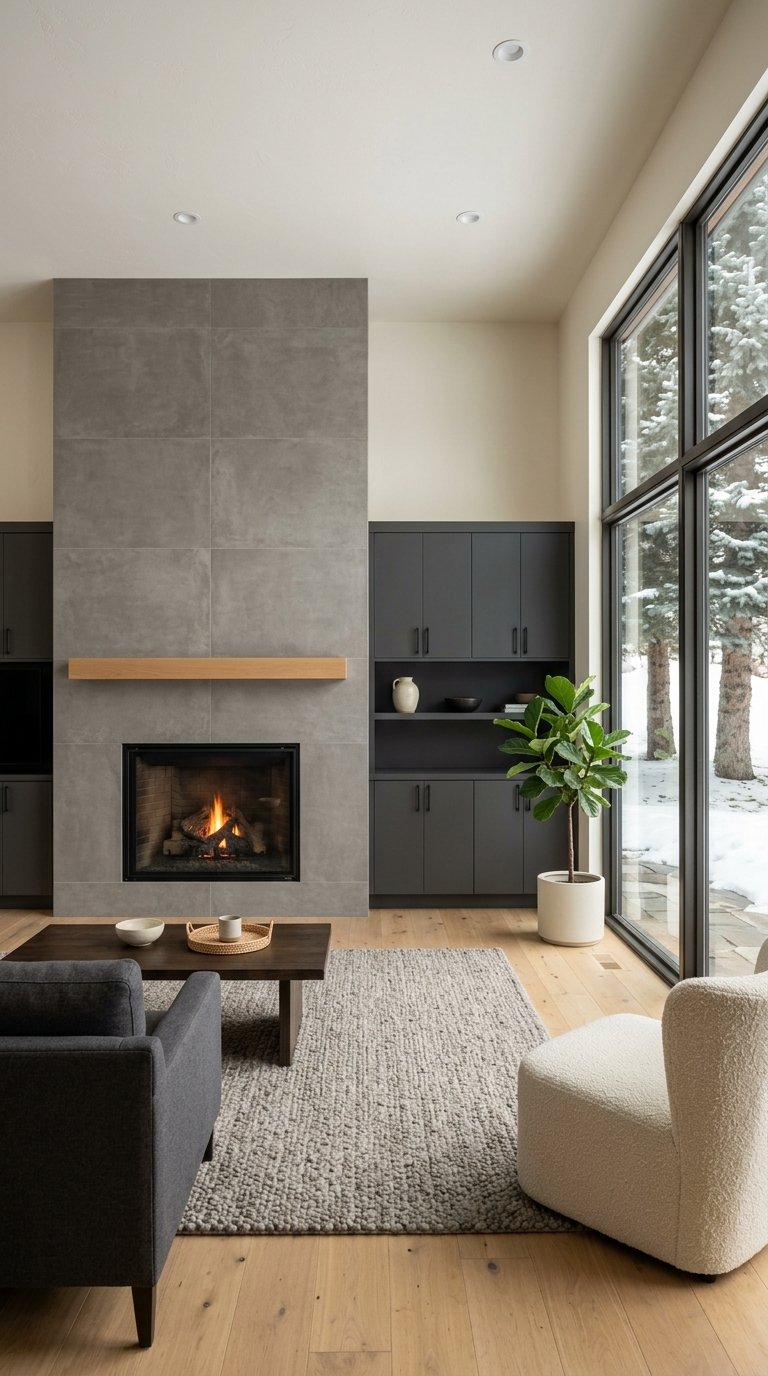
In a place with snowy winters, wet gear, and periods of vacancy, your home needs to function well, not just look good. Furnishings and finishes should be able to handle seasonal wear and quicker turnovers if different people use the home throughout the year.
That often means thinking practically about entry areas, flooring, storage, and easy-care surfaces. If you are considering updates after closing, a construction-minded approach can help you prioritize improvements that support durability and maintenance, not just style.
This is one area where local insight really pays off. What works in a year-round city home is not always the best fit for a mountain property with seasonal demands.
A smart checklist before closing
If you are serious about owning a second home in Big Sky, here is a practical list to work through before you finalize the purchase:
- Confirm whether the parcel is in Madison County or Gallatin County
- Review HOA rules, dues, and any special-district context
- Estimate county property taxes and any district assessments
- Understand whether the 4% resort tax will apply to your intended use
- Pre-book snow removal, roof or ice service, and cleaning support
- Set up property-management help if the home will sit vacant
- Register for wildfire and severe-weather alerts
- Think through finishes and furnishings that fit Big Sky’s seasonal use
When you work through these items early, you can make a more confident decision and avoid surprise costs later.
Why local guidance matters
Buying a second home in Big Sky is not just about finding a beautiful property. It is about matching the right home with the right ownership plan.
That is where local market knowledge can make a big difference. When you understand county details, service logistics, seasonal realities, and the practical side of owning in a resort community, you are in a much better position to buy well.
If you are exploring Big Sky or comparing it with Bozeman and other Gallatin Valley opportunities, working with an advisor who understands both the lifestyle side and the property details can help you move forward with clarity. When you are ready to talk through your options, connect with Carissa Maus (Paulson) for a personalized consultation.
FAQs
What should you budget for with a second home in Big Sky?
- You should review property taxes, HOA dues, possible district assessments, insurance, snow removal, cleaning, property-management fees, and the 4% resort tax if the property will be used as a short-term vacation rental where applicable.
What winter planning should second-home owners do in Big Sky?
- You should plan for snow driving, winter tires, delayed arrivals, icy access points, and pre-arranged snow and ice services before the first winter season.
What local property details matter before buying in Big Sky?
- You should confirm which county the parcel is in and review the HOA, special-district, and fire-protection context before closing.
What wildfire preparation should Big Sky second-home owners consider?
- You should register for emergency alerts, learn about defensible-space practices, consider a home risk assessment, and make wildfire readiness part of your regular property-care plan.
Why is second-home ownership in Big Sky different from other markets?
- Big Sky is a resort-driven, seasonal community with multiple special districts, many HOAs, weather-sensitive access, and service schedules that often follow the mountain season rather than a typical suburban pattern.