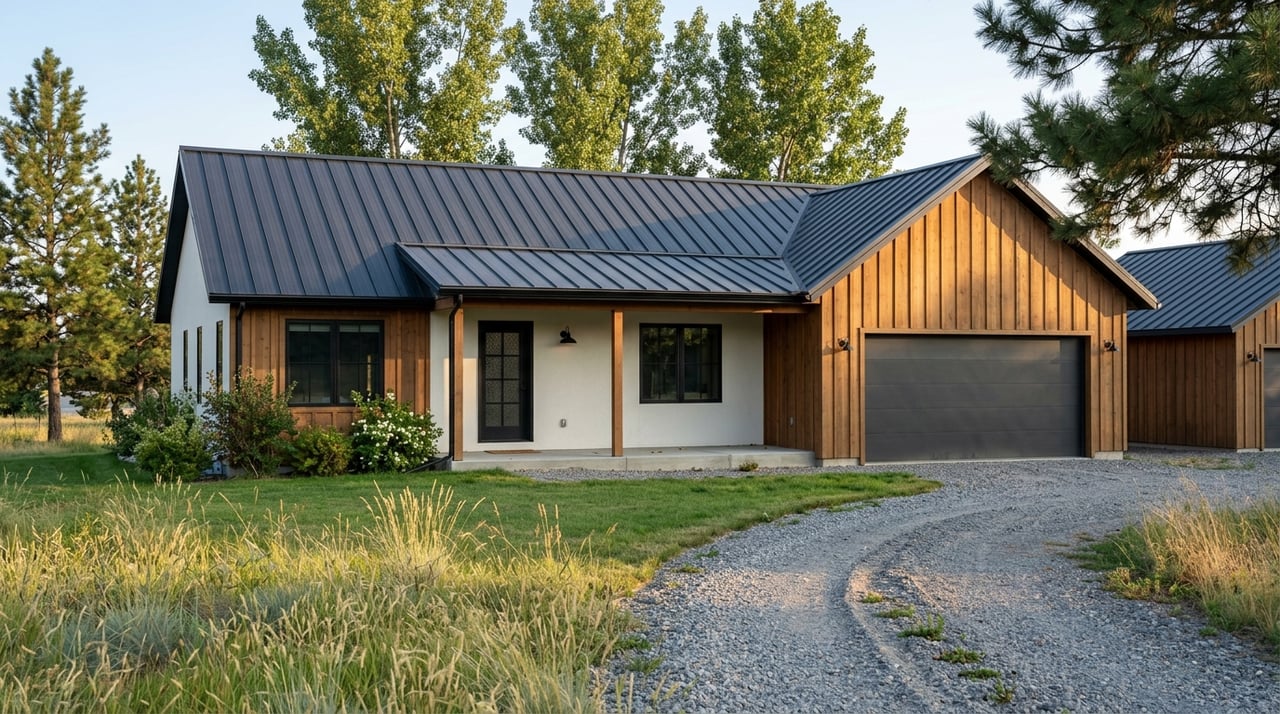
Dreaming about a few acres near Manhattan, Churchill, or Amsterdam? Small acreage can offer elbow room, mountain views, and flexibility, but it also comes with a very different checklist than buying in town. If you are considering rural property in this part of Gallatin Valley, it helps to know what to verify before you fall in love with a parcel. Let’s dive in.
Why small acreage needs extra homework
Buying small acreage near Manhattan, Churchill, and Amsterdam is often less about the house itself and more about the land, access, and long-term usability. In Gallatin County, rural land due diligence is a parcel-by-parcel process that can involve access, easements, surveys, covenants, zoning, water, soils, flood risk, wildfire planning, and agricultural realities, according to the county’s rural buyer guidance.
That matters because two properties that look similar online can come with very different rules, costs, and responsibilities. A property inside town limits may be reviewed by one office, while a rural parcel outside town may fall under different county standards.
Know which offices apply
One of the first things to confirm is whether the property is inside the Town of Manhattan or in unincorporated Gallatin County. Manhattan has its own building and zoning resources, while Gallatin County has separate planning, road, GIS, and water-related resources.
This is especially important along the Manhattan, Churchill, and Amsterdam corridor, where service areas and oversight can shift by parcel location. If you assume the same process applies everywhere, you can miss an important permit, zoning detail, or utility issue.
Check access before anything else
On small acreage, access is one of the most important items to verify early. Gallatin County says some easements are not recorded, and driveway access onto county-maintained roads may require an encroachment permit. The county also notes that access points can raise traffic or safety concerns, so they should be confirmed before closing through the county’s buyer guidance.
Road maintenance is just as important as legal access. The county’s Road & Bridge Department states that it does not maintain subdivision roads or private roads, which are typically maintained by residents, an HOA, or a rural improvement district.
That means you should ask practical questions such as:
- Is the road county-maintained, private, or subdivision-maintained?
- Who pays for grading, snow removal, and repairs?
- Is there a recorded maintenance agreement?
- Are there seasonal restrictions that could affect construction or deliveries?
Those timing issues are real. Gallatin County notes that work in county rights-of-way is restricted after October 31 until spring thaw, and some roads carry 16-ton weight limits during spring and early summer through the road department.
Don’t overlook emergency addressing
Rural addressing is not just paperwork. Gallatin County GIS focuses on accurate road and address data to support faster 911 response and provides address application and road-name tools.
If a parcel needs a new address or road name, that should be part of your timeline. On raw or lightly improved acreage, this can affect planning, delivery coordination, and emergency access.
Water and wastewater can define the property
In town, Manhattan has public works and wastewater infrastructure. On rural acreage, however, you should expect to confirm whether the property relies on a private well and an onsite wastewater system.
That is a major difference in how you evaluate the property. Montana DEQ notes that residential wastewater treatment systems are common permitted facilities, and some onsite systems may require additional groundwater review.
For wells, MSU Extension says private well testing is the homeowner’s responsibility and that its household testing program is not intended for real estate or legal purposes. For a purchase, it makes sense to look at certified lab testing, maintenance history, and well documentation, along with available well log information through the Ground Water Information Center.
Well logs can help you understand:
- Well depth
- Casing diameter
- Depth to water
- General geologic materials encountered
If irrigation is involved, verify the details
Some small acreage properties include ditches, canals, or irrigation features. If they do, you should confirm exactly what rights, obligations, and restrictions come with them.
Gallatin County’s required covenant language can limit diversion and runoff into certain water conveyance facilities, and the county points buyers toward the Montana Water Court and DNRC for water-rights research. MSU Extension’s buyer guidance also recommends reviewing ditch company records, commissioner information, and historic use when irrigation is part of the property.
In simple terms, do not assume a ditch next to the property means transferable or usable irrigation rights. This is an area where extra documentation matters.
Review zoning and covenants early
If you have plans for a shop, animals, a guest setup, or future improvements, zoning should be one of your first checkpoints. Gallatin County’s zoning guide advises buyers to identify the zoning district and sub-district first, then review setbacks, building height, density, accessory structures, and permitted versus conditional uses.
If the intended use is not clearly listed, the county recommends contacting planning for clarification. If the property is in Manhattan, you may also need to review the town’s zoning map, permit application, and instructions.
Covenants are just as important. County subdivision rules allow recorded covenants to address HOA operations, road maintenance, drainage, open space, and fire protection. The county’s rural guidance also notes that some areas have deed restrictions, while a lack of covenants can create different types of neighbor disputes.
Be realistic about rural living
Small acreage can be a great fit, but it helps to go in with clear expectations. Gallatin County’s rural buyer guide is direct that rural life can include dust, noise, odors, wildlife, winter exposure, and normal agricultural operations.
The county also warns that open pasture or field views are not guaranteed to stay the same over time. If your decision depends heavily on a current view or nearby open land, treat that as a preference, not a promise.
The same county guidance notes that land is not unlimited just because it is rural. Animal capacity, weed control, drainage, and land condition still matter, and weed management is the owner’s responsibility.
Soils, flood areas, and site conditions matter
A parcel’s value is not just about acreage count. Gallatin County notes that soils can affect erosion, wetlands, septic placement, road location, crop or hay production, and landscaping through its rural property guidance.
The county also flags flood-prone areas, irrigation-related groundwater impacts, and the challenges of hilltop homesites. A site with dramatic views may also create more complexity for access, weather exposure, or water supply.
This is one reason an on-site review with the right professionals can be so important. What looks simple on a map may feel very different once you consider slope, drainage, wind, and practical buildability.
Fire service and emergency planning count
Wildfire planning should be part of your due diligence on rural acreage. The county’s Community Wildfire Protection Plan notes that many local fire districts rely heavily on volunteer responders and mutual aid, which makes defensible space and parcel-level preparedness especially important.
Service boundaries also vary. The Gallatin County Sheriff’s Office notes that deputies serve the greater valley, including Manhattan, Churchill, and Amsterdam, and local wildfire planning identifies distinct districts for Manhattan and Amsterdam area coverage through the sheriff’s patrol information.
For you as a buyer, the takeaway is simple: confirm service coverage on the specific parcel rather than making assumptions based on a mailing address.
A smart due diligence workflow
When you are serious about buying small acreage near Manhattan, Churchill, or Amsterdam, it helps to follow a step-by-step review process. Gallatin County’s materials make it clear that answers often come from different offices and specialists, not one single source.
A practical workflow looks like this:
- Start with the property location and confirm whether town or county rules apply.
- Review the parcel on relevant zoning and mapping resources.
- Verify legal access, physical access, and road maintenance responsibility.
- Confirm water source, well records, and wastewater setup.
- Review covenants, restrictions, and any HOA or maintenance obligations.
- Check for floodplain concerns, soils issues, and irrigation-related questions.
- Confirm fire district and emergency service considerations.
- Bring in the right professionals during the offer and inspection period.
Gallatin County also emphasizes that a plat should not be assumed accurate unless a licensed surveyor has set the pins. The county warns that fences or outbuildings can cross lines, making a survey and site verification an important part of the process rather than an after-closing surprise.
Why local guidance helps
Rural purchases often involve more moving parts than buyers expect. You may need input from planning staff, Road & Bridge, building or zoning offices, surveyors, well or septic professionals, and water-rights specialists depending on the parcel.
That is where working with a local advisor can make a real difference. If you want help evaluating small acreage opportunities near Manhattan, Churchill, or Amsterdam, Carissa Maus (Paulson) can help you sort through the details, ask better questions early, and move forward with confidence.
FAQs
What should you verify first when buying small acreage near Manhattan, Churchill, or Amsterdam?
- Start with parcel location, zoning jurisdiction, legal access, road maintenance, water source, wastewater system, and covenants before focusing on cosmetic features.
How do road maintenance rules work on rural property in Gallatin County?
- County Road & Bridge does not maintain subdivision roads or private roads, so you should confirm whether residents, an HOA, or another entity is responsible for upkeep and snow removal.
Do rural acreage properties near Manhattan always have wells and septic systems?
- Not always. Properties in town may have access to public infrastructure, while rural acreage often relies on a private well and onsite wastewater system that should be verified during due diligence.
Why is zoning important when buying land near Manhattan, Churchill, or Amsterdam?
- Zoning affects what you can build or use on the property, including setbacks, building height, accessory structures, density, and whether certain uses are permitted or conditional.
Should you get a survey when buying small acreage in Gallatin County?
- In many cases, yes. Gallatin County advises buyers not to assume a plat is accurate unless a licensed surveyor has set the pins, and improvements like fences can cross property lines.
What rural risks should buyers expect on small acreage in Gallatin Valley?
- Common considerations include dust, noise, odors, wildlife, winter exposure, weed management, flood-prone areas, wildfire preparedness, and changing nearby land uses over time.