If you want more breathing room without feeling disconnected from Bozeman, Three Forks may already be on your shortlist. This small Gallatin County city gives you a different pace of life, easier access to open space, and a housing market that often looks more approachable than Bozeman's. If you are weighing lifestyle, commute, and value, this guide will help you understand what stands out about Three Forks real estate and what to look at closely before you buy or sell. Let’s dive in.
Why buyers look at Three Forks
Three Forks offers a true small-town setting about 30 miles west of Bozeman near the Missouri headwaters, where the Jefferson, Madison, and Gallatin rivers meet. According to Census Reporter’s profile for Three Forks, the city has about 1,919 residents, which gives it a much smaller feel than Bozeman.
That scale is a big part of the appeal. While Bozeman and Gallatin County have continued to grow, some buyers are looking beyond the core market for a place that feels quieter and more spacious while still keeping regional access.
Three Forks location and commute
For many buyers, the main tradeoff is simple: you get small-town living, but you may commute for work, services, or entertainment. City planning documents place Bozeman about 25 minutes east on I-90, and ACS data reports a 24.1-minute mean travel time to work.
That makes Three Forks a practical option for people who do not need to live in Bozeman itself every day. It can be a strong fit if you value space, scenery, and a slower pace more than being close to a large job center.
Who Three Forks often fits best
Three Forks may work especially well for buyers who want:
- A smaller community setting
- Access to Bozeman via I-90
- Outdoor recreation close to home
- A market that is often lower priced than Bozeman
- More focus on detached homes than dense housing options
It may be less ideal if you want a wide selection of multifamily housing or need to be near a dense local employment base. Local planning documents describe Three Forks as not a major employment center, with many residents commuting outside the area.
What the housing stock looks like
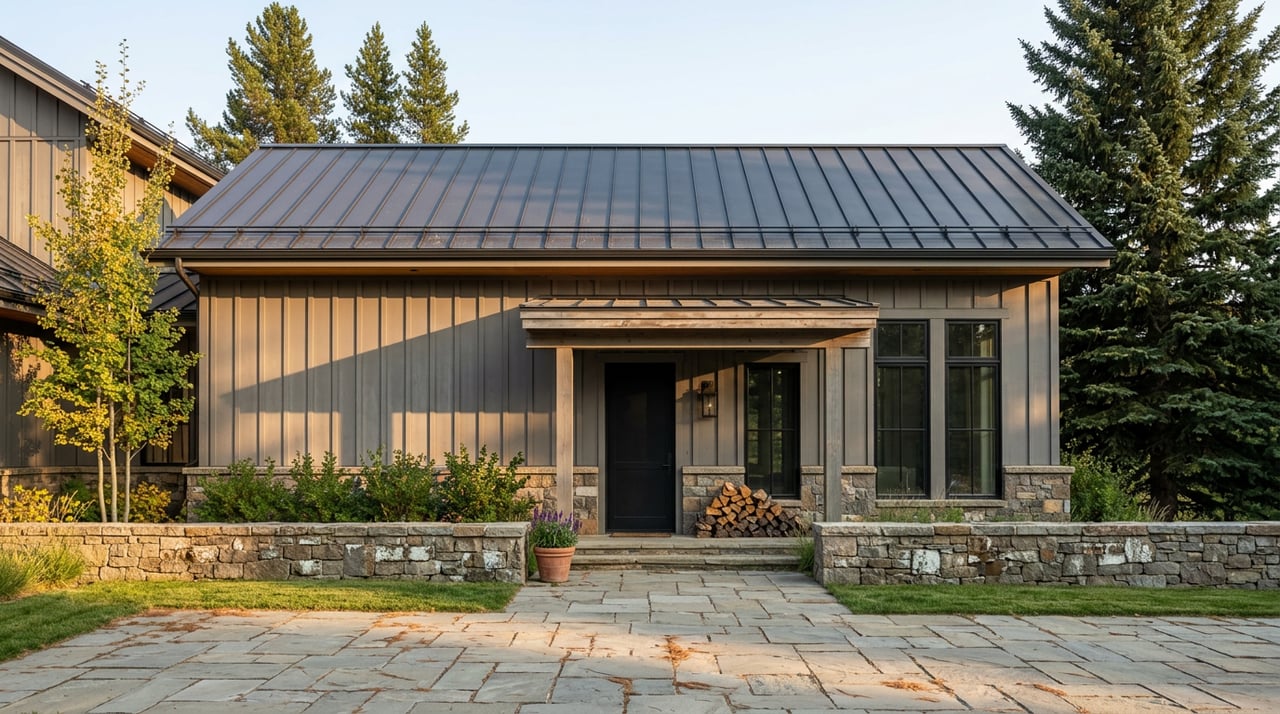
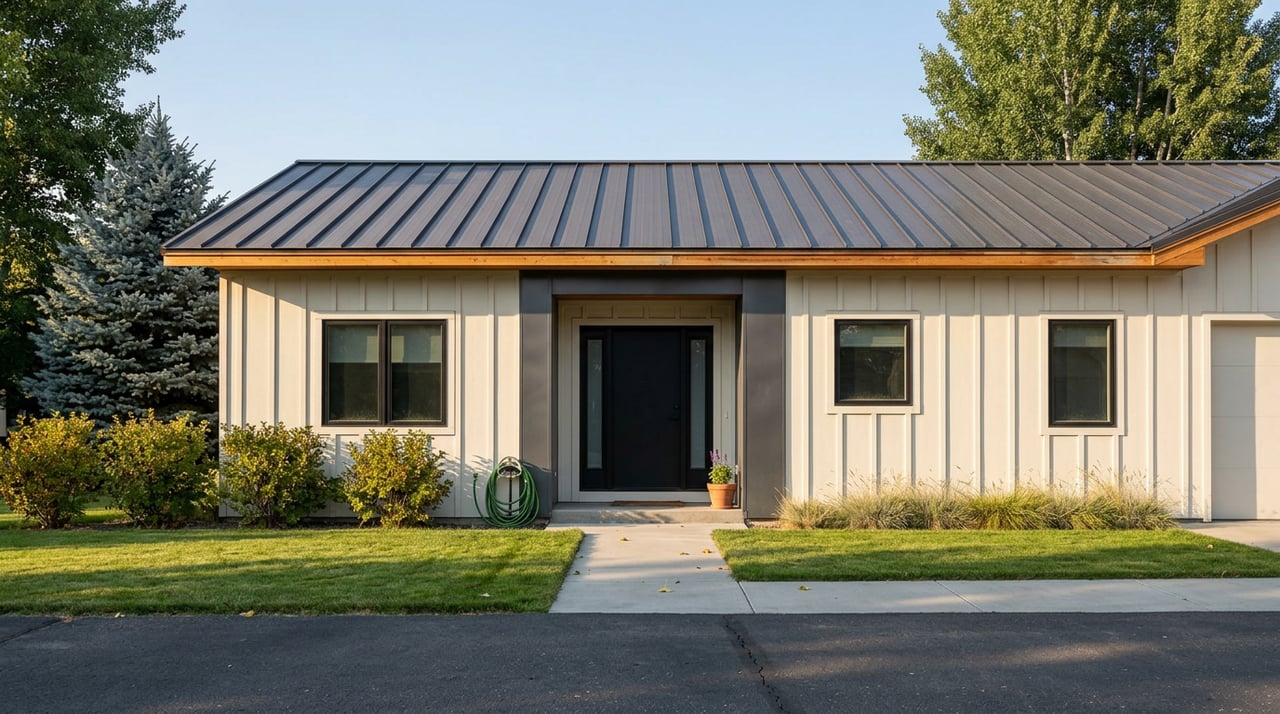
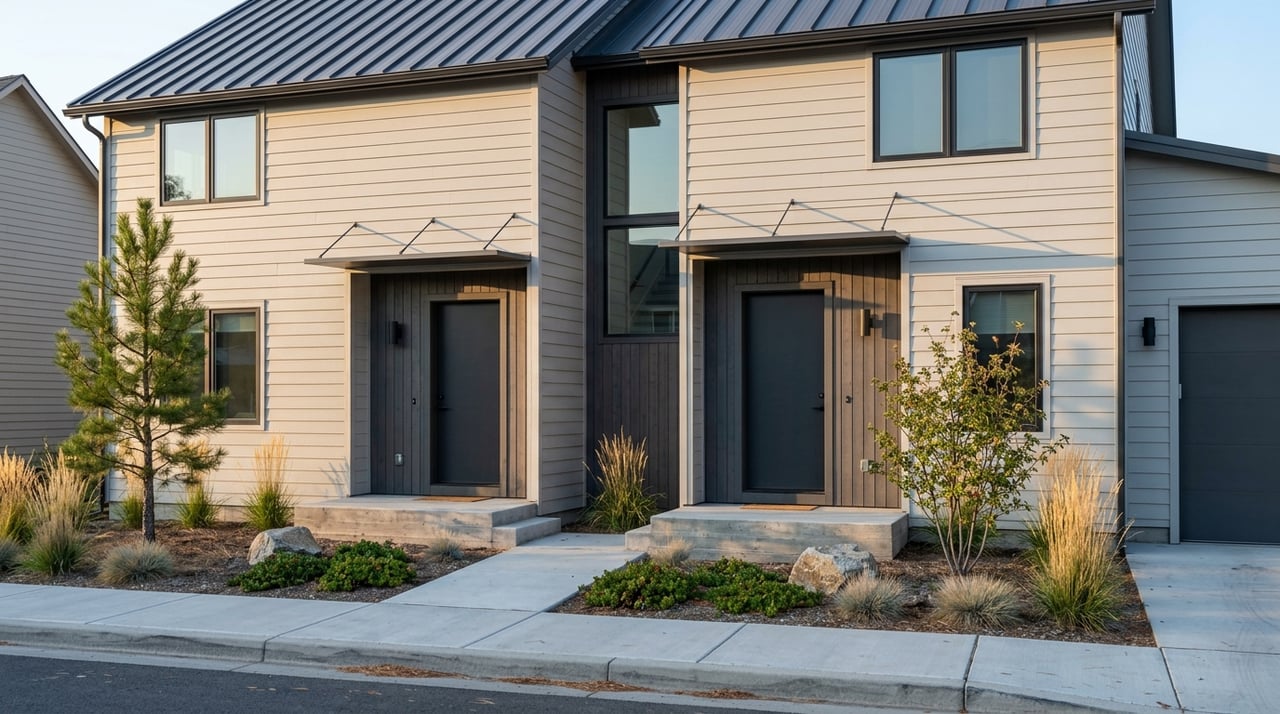
Three Forks still reflects a classic small-town housing pattern. The city’s growth policy notes that roughly 77% of the housing stock is single-family detached, with limited multifamily options, and that much of the surrounding area remains rural residential or agricultural in character.
That matters if you are narrowing your search by property type. If you are hoping for a broad mix of condos, apartments, and townhome inventory, you may find fewer choices here than in larger Gallatin Valley markets.
Age and style of homes
The housing stock includes a mix of eras. The city’s growth policy says most homes were built between 1980 and 2000, while about 22% predate 1940.
In practical terms, that can create a market with a range of maintenance needs, lot sizes, and remodeling potential. Some buyers are drawn to older homes for character, while others prefer newer construction or properties with fewer immediate updates.
How home prices compare
One reason buyers consider Three Forks is relative affordability within Gallatin County. The county’s 2024 housing strategy identified Three Forks as one of the county’s lower-priced markets, with a 2023 median sale price of $424,500.
That does not mean every property is inexpensive, and it is important to compare metrics carefully. The same research shows the Census Reporter profile lists a median owner-occupied home value of $395,800, which is below the Bozeman metro figure of $667,600.
Why pricing numbers can look different
If you have looked at online real estate portals, you may have seen different price points for Three Forks. That is normal because list prices, sale prices, estimated values, and owner-occupied value data all measure different things.
The key takeaway is not to treat those figures as interchangeable. When you evaluate a home in Three Forks, it helps to look at the specific property, its condition, its location, and how it compares to recent local sales rather than relying on one headline number.
Lifestyle and outdoor access
Three Forks stands out for buyers who want everyday access to trails, parks, and river-oriented recreation. The city says it has seven parks and just over 9 acres of parkland, and the Headwaters Trail System adds about 12 miles of paved trail connecting town to Missouri Headwaters State Park and Droulliard Fishing Access.
That outdoor setting helps shape the town’s identity. Missouri Headwaters State Park is about 4 miles from the city limits, and the area also offers access to nearby destinations such as Buffalo Jump State Park and Lewis and Clark Caverns State Park.
What that means for daily life
For many people, Three Forks is less about nightlife or dense urban amenities and more about simple, usable access to the outdoors. If walking, biking, fishing, and open views matter to you, the location may feel like a natural fit.
That lifestyle can also be a selling point if you are preparing to list a home. Buyers often respond strongly to places where the pace of life and access to recreation are easy to picture.
Growth potential and housing supply
Three Forks is small today, but local planning documents point to future growth potential. The city’s planning materials note that historical growth has been limited by factors such as floodplain, lot supply, and water constraints, but they also identify about 150 acres of undeveloped residential land within city limits.
At planning-level density assumptions, that land could support roughly 750 homes at 5 homes per acre. The same documents indicate future residential areas could include smaller lots and more attached housing such as townhomes.
What that means for buyers and sellers
For buyers, this suggests Three Forks may continue evolving over time rather than staying completely static. For sellers and owners, it points to a market with longer-term growth interest, especially as nearby areas continue to expand.
Still, today’s market remains more limited in housing type than larger communities. You should think of Three Forks as a place with some future supply potential, not a market that already offers broad multifamily inventory.
One issue to check carefully: floodplain
If you are considering Three Forks real estate, floodplain due diligence should be near the top of your list. The city’s flood regulations page states that roughly 90% of residences lie within the floodplain and are flood prone.
That does not mean every property carries the same level of risk, but it does mean parcel-specific review is essential. The same city resource notes that development in AE flood zones requires a floodplain permit and elevation certificate, and that current and draft maps are available.
Smart due diligence steps
Before you buy, consider asking for:
- The exact parcel floodplain designation
- Any elevation certificate tied to the property
- Information on past flood-related issues or mitigation
- Permit history for additions or improvements, if relevant
- Insurance-related details you may need to verify independently
Because nearby watersheds are being remapped, broad townwide assumptions are not enough. A careful review of the exact parcel can help you understand both practical use and long-term ownership costs.
Is Three Forks a good place to buy near Bozeman?
For the right buyer, yes. Three Forks can be compelling if you want a smaller community, access to the outdoors, and a price point that may compare favorably with Bozeman and some other Gallatin Valley markets.
It is usually best for people who are comfortable with a commute and who understand that the local housing menu is more focused on detached homes than dense housing types. If you want a quiet home base near the broader Bozeman area, Three Forks is worth a serious look.
Selling a home in Three Forks
If you are selling in Three Forks, your marketing strategy should highlight what buyers are actually looking for here. That often includes proximity to Bozeman, access to trails and recreation, lot usability, home condition, and any updates that improve confidence around ownership.
It is also important to price with care. In a market where online numbers can vary widely depending on the source, strong local guidance and property-specific analysis matter even more.
If you are thinking about buying or selling in Three Forks, working with a local advisor who understands Gallatin Valley pricing, construction considerations, and small-market nuances can make your next step much clearer. To talk through your goals, Carissa Maus (Paulson) offers thoughtful, full-service guidance across Bozeman and nearby communities.
FAQs
What is Three Forks, Montana like for homebuyers?
- Three Forks offers a small-town setting near Bozeman, strong outdoor access, and a housing market that is often lower priced than Bozeman, with a heavy share of single-family homes.
How far is Three Forks from Bozeman for commuters?
- City planning documents place Bozeman about 25 minutes east on I-90, and ACS data reports a 24.1-minute mean travel time to work.
Are home prices in Three Forks lower than Bozeman?
- Research in Gallatin County identifies Three Forks as one of the county’s lower-priced markets, and Census Reporter shows a lower median owner-occupied home value than the Bozeman metro, though different price metrics should not be compared as if they mean the same thing.
What kinds of homes are common in Three Forks real estate?
- The city’s growth policy says about 77% of the housing stock is single-family detached, with relatively few multifamily options.
What should buyers check before buying a home in Three Forks?
- Buyers should closely review parcel-level floodplain information, since the city says roughly 90% of residences are within the floodplain and flood prone, and some properties may require specific permits or elevation documentation.
Does Three Forks have parks and trails near homes?
- Yes. The city reports seven parks and about 12 miles of paved trail in the Headwaters Trail System, with connections toward Missouri Headwaters State Park and Droulliard Fishing Access.