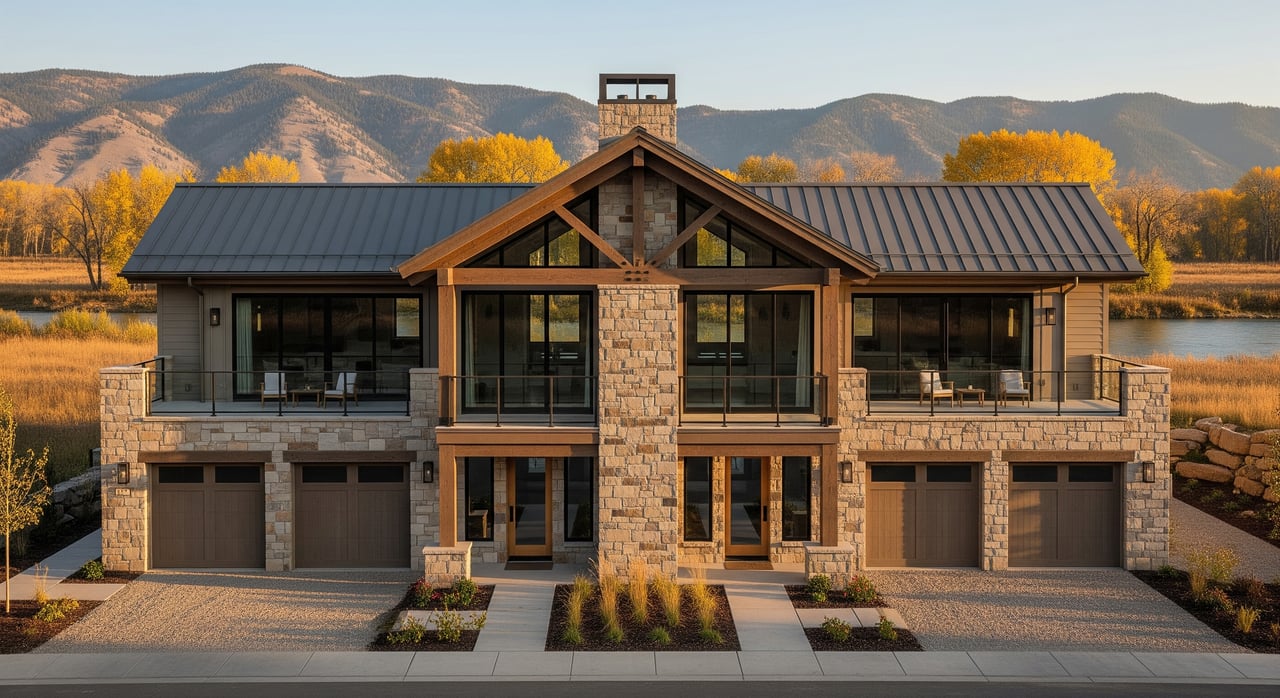
Thinking about buying a duplex in Livingston but not sure if the numbers or rules make sense? You’re not alone. Many buyers are weighing house-hack options and rental income in this small Park County market that sits on the road to Yellowstone. In this guide, you’ll learn how duplex financing works, what to include in your pro forma, how short-term rentals compare to long-term leases, and what local rules and risks to check. Let’s dive in.
Why a Livingston duplex can work
Livingston has a mix of older single-family homes, historic downtown properties, and a smaller pool of multi-unit buildings. Duplexes exist, but they are less common than single-family homes, which can help well-located properties stand out to renters.
Tourism fuels the area, given Livingston’s gateway access to Yellowstone and regional recreation. That visitor flow can boost seasonal demand for short-term rentals and support local services jobs that feed long-term rental demand.
A duplex also gives you two income streams on one lot. If one unit turns over, the other can still generate income. If you plan to live in one unit, the rent from the second can offset your mortgage, which improves affordability and can unlock more favorable financing options.
How duplex financing works
Owner-occupied options
If you intend to live in one unit, you can often use residential mortgage programs designed for 2–4 unit properties. FHA financing can allow down payments around 3.5% for qualified owner-occupants, subject to FHA rules. Conventional loans backed by Fannie Mae or Freddie Mac also treat 2-unit properties as residential, though down payments and reserve requirements differ by program and borrower profile.
Owner-occupied financing can make the numbers easier to pencil. Lower down payments reduce cash tied up at closing, and living in one unit may qualify you for better rates than pure investment loans.
Investor financing
If you will not occupy the property, plan for larger down payments and stricter underwriting. Many lenders require 15–25% down on 2-unit investment properties, along with higher interest rates and cash reserve minimums. Terms shift with market conditions, so get current quotes before you write an offer.
Preapproval and underwriting
Ask your lender how they will treat projected rental income. Underwriters often use lease agreements or market rent estimates to qualify. Confirm whether you need a landlord policy at closing and whether an appraisal with 2–4 unit rent schedules is required.
Run the numbers before you buy
Estimate gross income
Start with market rents for each unit based on recent local listings for similar size, condition, and location. If you do not have verified vacancy data, use a conservative 5–10% vacancy and credit loss assumption. If you plan to furnish and operate one unit as a short-term rental in peak season, model a separate scenario with realistic occupancy and nightly rates and a clear off-season plan.
Budget operating expenses
Create a full-year expense outline and avoid underestimating costs common to older buildings:
- Property taxes and insurance (landlord or DP policy)
- Utilities you pay as the owner (confirm separate meters for electric, gas, and water)
- Repairs and maintenance (often 1–3% of property value per year for older stock)
- Property management (8–12% of monthly rent for long-term; higher for STR operations)
- Landscaping, snow removal, advertising, legal/accounting, HOA dues if applicable
- Capital reserves for big items like roof, heating, plumbing, or foundation work
If you are considering short-term rentals, add cleaning, restocking, higher utilities, platform fees, and lodging tax compliance.
Know the key return metrics
- Net Operating Income (NOI) = Effective Gross Income − Operating Expenses (excludes debt)
- Cap Rate = NOI ÷ Purchase Price
- Cash-on-Cash Return = Cash Flow After Debt ÷ Total Cash Invested
- Break-even Rent = (Operating Expenses + Debt Service) ÷ Number of Units
Use these to compare a duplex to other local options and to stress test your assumptions.
Simple pro forma template (fill in your numbers)
- Unit A monthly rent: $____
- Unit B monthly rent: $____
- Total scheduled rent: $____ per month
- Vacancy and credit loss (5–10%): $____ per month
- Effective gross income: $____ per month
Operating expenses per month:
Property tax: $____
Insurance: $____
Owner-paid utilities: $____
Repairs and maintenance: $____
Management: $____
Other (snow, lawn, admin): $____
Capital reserves: $____
Total operating expenses: $____ per month
NOI: $____ (effective income − operating expenses)
Mortgage principal and interest: $____ per month
Cash flow after debt: $____ per month
Total cash invested (down payment + closing + initial reserves): $____
Cap rate: ____%
Cash-on-cash return: ____%
Run a second scenario for short-term rental or seasonal leasing if that is part of your plan, and compare the net results after vacancy, fees, and taxes.
Long-term vs short-term strategy
Long-term rentals
Long-term leases offer stability and lower turnover. Management fees are typically lower than STRs, and utilities are more often tenant-paid when utilities are separately metered. This approach can fit owner-occupants who want predictable income and simpler compliance.
The tradeoff is that long-term rents may be lower on a monthly basis than peak-season STR revenue. You also carry normal landlord duties under Montana law, including habitability and fair handling of security deposits.
Short-term rentals (STRs)
In a gateway market with seasonal tourism, STRs can push gross revenue higher during peak months. They also come with seasonality risk, higher cleaning and utility costs, more intensive management, and licensing and lodging tax obligations. Confirm local STR rules and parking or occupancy limits before you underwrite a purchase.
A hybrid approach can work for some owners, such as renting both units long-term or operating one unit as an STR only in peak season while keeping compliance and neighbor relations front and center.
Local rules, taxes, and insurance to check
Before you write an offer or shift a unit to STR use, verify the following for the specific address:
- Jurisdiction and zoning. Confirm whether the property is inside the City of Livingston or in unincorporated Park County, then check permitted uses, parking, and density rules for duplexes.
- Short-term rental requirements. Identify any business licenses, permits, inspections, occupancy limits, and reporting rules. Expect lodging tax obligations when renting short term.
- Landlord-tenant law. Montana’s landlord-tenant statutes outline security deposit handling, notice periods, and habitability requirements. Use compliant leases and processes.
- Property taxes. Review recent tax bills and assessed values through the Park County Assessor. Mill levies can shift, so model with a cushion.
- Income tax and depreciation. Montana taxes rental income, net of allowable deductions. Work with a Montana CPA to set depreciation and track passive activity rules.
- 1031 exchange potential. If this is a pure investment property, talk to tax counsel about exchange eligibility and timelines.
- Insurance and hazards. Request landlord or STR insurance quotes. Check wildfire exposure and FEMA flood maps. If the property uses well or septic, budget maintenance and inspections.
- Building and safety codes. Duplex conversions or STR use may require permits or upgrades for electrical, egress, or life safety. Confirm code status and permit history.
Key risks and tradeoffs in Livingston
- Seasonality. Visitor-driven demand can be strong in peak months and softer off season. Stress test with conservative off-season income.
- Regulatory change. STR rules and zoning can tighten or shift, which may affect future revenue and use.
- Small-market concentration. A smaller renter pool can mean longer leasing times during downturns. Keep vacancy cushions and strong screening.
- Older housing stock. Many properties will need system upgrades and higher capital reserves. Inspect structure, roof, plumbing, heating, and foundation.
- Insurance and natural hazards. Wildfire risk and floodplain location can impact premiums, coverage, and lender requirements.
Due diligence checklist for a Livingston duplex
- Confirm city vs county jurisdiction and zoning for duplex use and STR allowances.
- Pull 6–12 recent rent comps for similar units; create separate STR comps if relevant.
- Get the Park County Assessor parcel record and recent tax history.
- Verify utility setup and meters; confirm tenant vs owner-paid responsibilities.
- Review building permit history and any open code items with the city or county.
- Order a full inspection plus roof, HVAC, pest, and septic/well evaluations if applicable.
- Obtain insurance quotes for landlord and STR scenarios and check wildfire and flood risk.
- Secure lender preapproval for both owner-occupied and investor paths to compare terms.
- Build a pro forma with conservative vacancy and expense assumptions and compare long-term vs short-term outcomes.
- Consult a Montana CPA and a local real estate attorney for tax structure and lease compliance.
Is a duplex a smart move for you?
If you want to live in one unit while building equity, a duplex in Livingston can be a practical path to lower housing costs with the added benefit of a second income stream. If you are a pure investor, the asset can still pencil, but you need careful underwriting around seasonality, operating costs for older buildings, and changing STR rules.
You do not have to figure it out alone. With local market knowledge, construction insight, and investor experience, we can help you vet the right properties, run the numbers, and move from offer to closing with confidence. When you are ready, connect with Carissa Maus (Paulson) to talk strategy and next steps.
FAQs
What makes a duplex attractive in Livingston?
- Two income streams on one lot, potential house-hack financing for owner-occupants, and tourism-driven demand that can support rents when underwritten carefully.
How does FHA financing work for a 2-unit?
- If you live in one unit and qualify, FHA may allow a down payment around 3.5% on 2–4 unit properties, subject to program rules and lender approval.
Are short-term rentals allowed in Livingston?
- STR legality and requirements depend on whether the property is inside city limits or in the county; confirm licenses, permits, inspections, and lodging tax rules before operating.
What expenses should I include in my duplex pro forma?
- Property taxes, insurance, utilities you pay, repairs, management, capital reserves, snow and lawn, legal/accounting, and, for STRs, cleaning, higher utilities, and platform fees.
How do I estimate market rent in Livingston?
- Compile recent comparable listings for similar unit size and condition, adjust for location and amenities, and apply a conservative vacancy factor of 5–10% if local data is uncertain.
What risks are unique to the Livingston area?
- Seasonality tied to tourism, a smaller renter pool, potential regulatory shifts for STRs, older housing stock with higher capex, and wildfire or flood risk affecting insurance.