Wondering whether Three Forks could be the right place to put down roots in the Gallatin Valley? If you want more breathing room, a smaller-town feel, and easy access to Bozeman-area destinations, it is a smart place to look closely. The key is understanding the day-to-day tradeoffs before you buy, and that is exactly what this guide will help you do. Let’s dive in.
Why buyers consider Three Forks
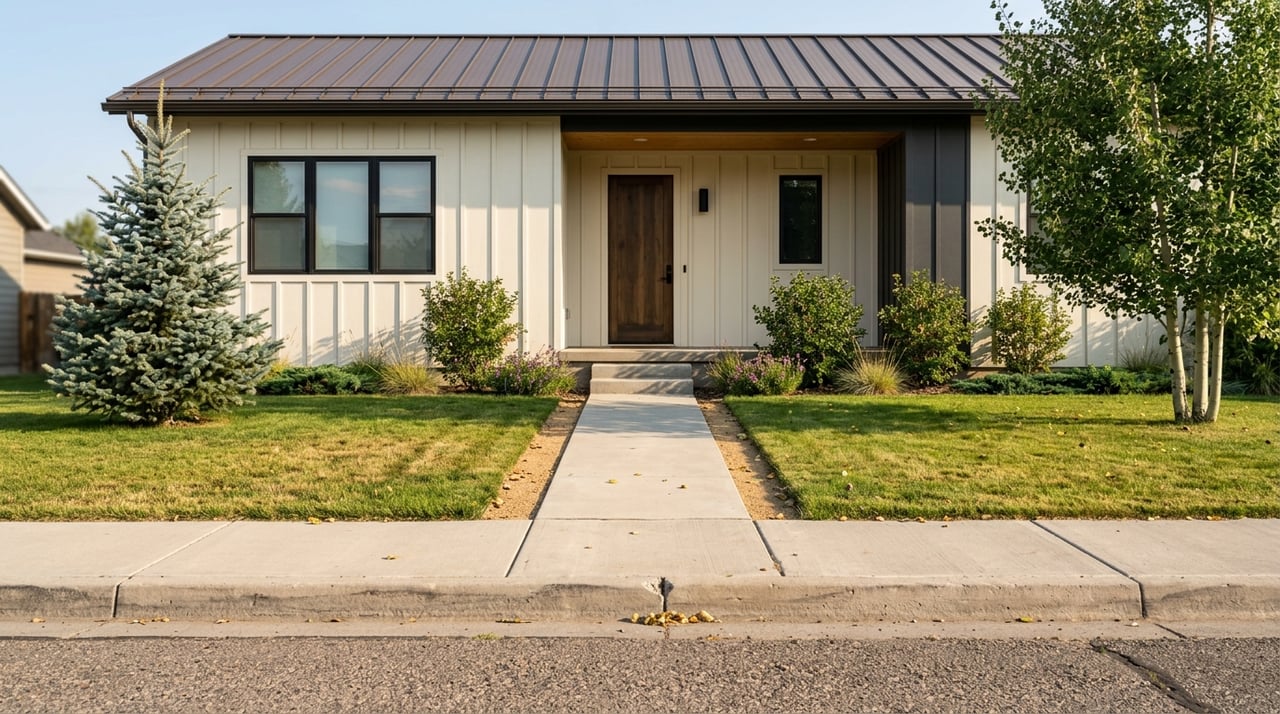
Three Forks offers a different pace than larger Gallatin Valley hubs. City planning documents describe a pattern of low-density, detached single-family neighborhoods, with commercial uses concentrated along the frontage-road corridor and a surrounding landscape that is largely agricultural or rural residential.
For you, that often means a more rural living pattern with direct highway access rather than a denser suburban environment. If your goal is space, simpler surroundings, and a home base that still connects you to the region, Three Forks may check important boxes.
What daily life looks like
A town can feel appealing on paper, but everyday function matters most once you actually live there. In Three Forks, many of the basics are handled locally, which helps make day-to-day living more convenient than some buyers expect.
The city provides water and sewer service and lists licensed garbage haulers. Public works operations are also managed locally, and the community library is on Main Street and open on weekdays.
For groceries, Three Forks Market is a full-service option with deli, meat, produce, and general merchandise. For healthcare, Three Rivers Medical Clinic is in town and offers same-day appointments, while broader hospital and specialty care are available in Bozeman and Belgrade through Bozeman Health facilities.
Emergency and public service contacts also reflect the town’s smaller-scale setup. The city lists a volunteer fire department in town, while Gallatin County Sheriff services are based in Bozeman.
Commute and regional access
One of Three Forks’ biggest practical strengths is location. The town is built around I-90, MT 2, and US 287, and city standards note that I-90 connects Three Forks with Bozeman to the east and Butte to the west.
That makes regional travel fairly straightforward if you commute, need regular access to Bozeman services, or like the flexibility of reaching multiple parts of southwest Montana without working through heavier in-town congestion. Three Forks sits about 30 miles west of Bozeman, so it can appeal to buyers who want some separation from Bozeman’s pace while staying tied to its job base and amenities.
If you travel often, it is also important to know that Bozeman Yellowstone International Airport is in Belgrade, not in Three Forks. In other words, air travel is accessible, but it still requires a drive outside town.
In-town homes versus rural parcels
If you are comparing neighborhoods in town with acreage or more rural parcels outside the core, road conditions can become part of the decision. According to the city’s design standards, roads east of Main Street and MT 2 are mostly paved, while roads west of Main Street are primarily gravel.
That does not automatically make one area better than another, but it does shape daily convenience. If you value easier year-round access and more municipal feel, in-town locations may stand out. If you want more land and a looser rural setting, you may find that worthwhile even with more gravel-road travel.
The surrounding area is described in city standards as predominantly agricultural with a few homes. That reinforces a common Three Forks tradeoff: more open space and a quieter setting on one hand, and fewer in-town conveniences than larger communities on the other.
Outdoor access is a real advantage
For many buyers, Three Forks becomes much more compelling once they look at recreation. Outdoor access is a central part of the town’s lifestyle profile, especially if you want river access and state-park recreation close to home.
The city has seven parks covering just over 9 acres. The Headwaters Trail System links town parks to Droulliard Fishing Access and Missouri Headwaters State Park, giving you a practical connection from town to nearby outdoor destinations.
The city says Missouri Headwaters State Park is about 4 miles from the city limits and can be reached by foot or bike. The park is open year-round and offers campsites, fishing, canoeing, floating, swimming, bicycling, picnicking, and trails.
Nearby day-trip options also include Madison Buffalo Jump and Lewis & Clark Caverns. If your ideal home base includes quick access to trails, water, and state park recreation without a long drive, that is one of Three Forks’ clearest strengths.
What the housing stock tends to be
If housing type matters to you, Three Forks has a fairly specific pattern. The city’s growth policy says residential development is primarily low-density detached single-family neighborhoods.
It also notes that the city has one residential district with relatively large lot sizes. Multifamily housing such as townhomes, condos, and apartments generally requires special use permits, so the housing mix tends to lean more toward stand-alone homes than attached options.
That is useful if you are specifically looking for a detached home and a lower-density setting. If you hope to compare a wide variety of condo, townhome, and apartment-style choices within town, your options may be more limited.
What future growth could mean
Three Forks is not standing still, but its future growth appears measured. The current plan says about 150 acres of undeveloped residential land remain inside city limits, which could accommodate roughly 750 homes at 5 homes per acre.
The same plan expects future residential areas to the northeast and southeast and identifies additional future residential area beyond the current boundary. For you as a buyer, that suggests room for infill and continued growth over time rather than immediate large-scale outward expansion everywhere at once.
This can matter if you are thinking about long-term neighborhood change, resale potential, or how quickly the community may evolve. It is one more reason to look not just at the house itself, but also at its surrounding context.
Important parcel-level details to check
In Three Forks, lot-specific due diligence matters. The city’s flood regulations state that much of Three Forks is within the FEMA 1% flood chance area, and floodplain permits may be required for development in mapped hazard zones.
That means floodplain status should be checked address by address rather than assumed based on a general impression of town. If you are buying a specific property, this is one of those details worth reviewing early.
There is another location-specific point to keep in mind for some properties near the airport. The city zoning page notes that certain parcels may fall under a Residential-Airport Influence designation with additional county rules.
These are not reasons to rule out a property automatically. They are reasons to ask sharper questions so you know exactly what you are buying.
Is Three Forks a good fit for you?
Three Forks can be a very good fit if you want a smaller community, lower-density housing patterns, strong highway access, and easy reach to outdoor recreation. It may also appeal to you if you are weighing Bozeman-area options and want a setting that feels more rural and less built-up.
It may be less ideal if your priority is a broad mix of attached housing, highly urbanized services, or the shortest possible drive to Bozeman-based amenities and air travel. The best fit often comes down to how you balance space, commute, road access, recreation, and property-specific factors.
That is where local guidance can make a real difference. If you want help comparing Three Forks with Bozeman, Belgrade, or other Gallatin Valley communities, Carissa Maus (Paulson) can help you evaluate the tradeoffs, look closely at specific properties, and move forward with confidence.
FAQs
Is Three Forks, Montana good for buyers who want a quieter home base?
- Three Forks may be a strong fit if you want a smaller-town setting, low-density detached housing, and a more rural feel than denser Bozeman-area communities.
Is Three Forks, Montana convenient for commuting to Bozeman?
- Three Forks sits about 30 miles west of Bozeman and connects through I-90, which can make regional commuting and travel relatively straightforward.
Does Three Forks, Montana have everyday services in town?
- Yes. The city provides water and sewer service, local grocery shopping is available at Three Forks Market, and Three Rivers Medical Clinic provides in-town medical care.
What types of homes are common in Three Forks, Montana?
- The housing pattern generally skews toward low-density detached single-family homes, with fewer attached housing options such as condos and townhomes.
What should buyers check before purchasing property in Three Forks, Montana?
- Buyers should review parcel-specific details such as floodplain status, road surface and access, and whether a property near the airport is subject to additional county rules.