Is your head spinning from all the different Bozeman price stats you see online? You’re not alone. When you’re getting ready to sell, you need more than a ballpark number. You need a clear plan that fits your home, your timeline, and today’s buyer demand. In this guide, you’ll learn how list prices are set, what strategies tend to work in Gallatin Valley right now, and how to avoid costly missteps. Let’s dive in.
Bozeman market snapshot: early 2026
Public trackers show different cuts of the same market. Recently, typical Bozeman values have hovered near the low $700s, median list prices closer to the mid to high $700s, and median sold prices around the low $600s. Days on market often stretch into the 80 to 100-plus day range in citywide snapshots. These figures vary by source and timeframe, which is why you should anchor your price to a fresh CMA, not a single citywide number.
Why those numbers differ
Each platform measures something different. One reports a model-based home value, another shows asking prices, and another shows closed prices. Coverage areas and time windows also vary. The most reliable pricing input for your home is a current comparative market analysis built from recent, nearby sales in the MLS for your specific micro-market.
How agents set list prices
The core method is the sales comparison approach. Your agent selects the best recent, nearby sales, then adjusts for size, age, condition, lot, views, upgrades, concessions, and date of sale. This is standard appraisal practice and it is how professionals reconcile a realistic price range for your home. If you want the technical grounding, the Appraisal Institute explains comparable selection and time adjustments in its guide notes on practice standards. You can review that background in the Appraisal Institute’s overview of professional practice guide notes.
- Learn how appraisers evaluate comps from the Appraisal Institute: standards and guide notes
- See a plain-English CMA explainer: how a comparative market analysis works
What AVMs get wrong
Automated valuation models like Zestimates can help you understand the general range, but they cannot see interior condition, craftsmanship, views, or micro-neighborhood nuances. In Bozeman, where finishes, acreage, and scenery can swing value, treat AVMs as a baseline only. Your list price should be set by a CMA that reflects actual sold comps and today’s momentum.
Be ready for the appraisal
If a buyer uses a mortgage, the lender will order an appraisal. If the home appraises below the contract price, you have options. The buyer can bring more cash, you can reduce the price, both parties can split the gap, or the deal can end if there is an appraisal contingency. For a deeper dive on choices when an appraisal comes in low, read this consumer guide on what to do if your home appraises below contract price.
Pricing strategies that work
Most sellers pick one of four approaches:
- Price slightly under market to spark traffic and multiple offers.
- Price at market to balance time and price.
- Test the market by listing above market, hoping to negotiate down.
- Price high and plan to reduce later.
Industry evidence shows that competitively priced homes tend to get more early showings, receive a higher share of offers in the first 1 to 2 weeks, and often close closer to list price. Overpriced homes usually sit longer, collect price cuts, and often sell for less than they might have if priced right at the start. You can explore this pattern in a national synthesis on house pricing strategies and outcomes.
If your first 10 to 21 days bring weak interest, many practitioners recommend a decisive reduction, commonly 2 to 5 percent, instead of several tiny cuts. Small, repeated drops can signal weakness and may lead to worse final results. Read more tactical guidance here: pricing strategy and reduction timing.
Bozeman price tiers to watch
Local reporting through 2024 and 2025 noted that sub‑$1.2 million segments often moved more consistently than higher luxury tiers, which saw more cancellations and price changes. Your micro-market matters. A price that works in one neighborhood or ZIP can underperform in another, especially when you factor in lot size, views, and finishes. A CMA that filters to the right tier is essential.
Condition, smart updates, and ROI
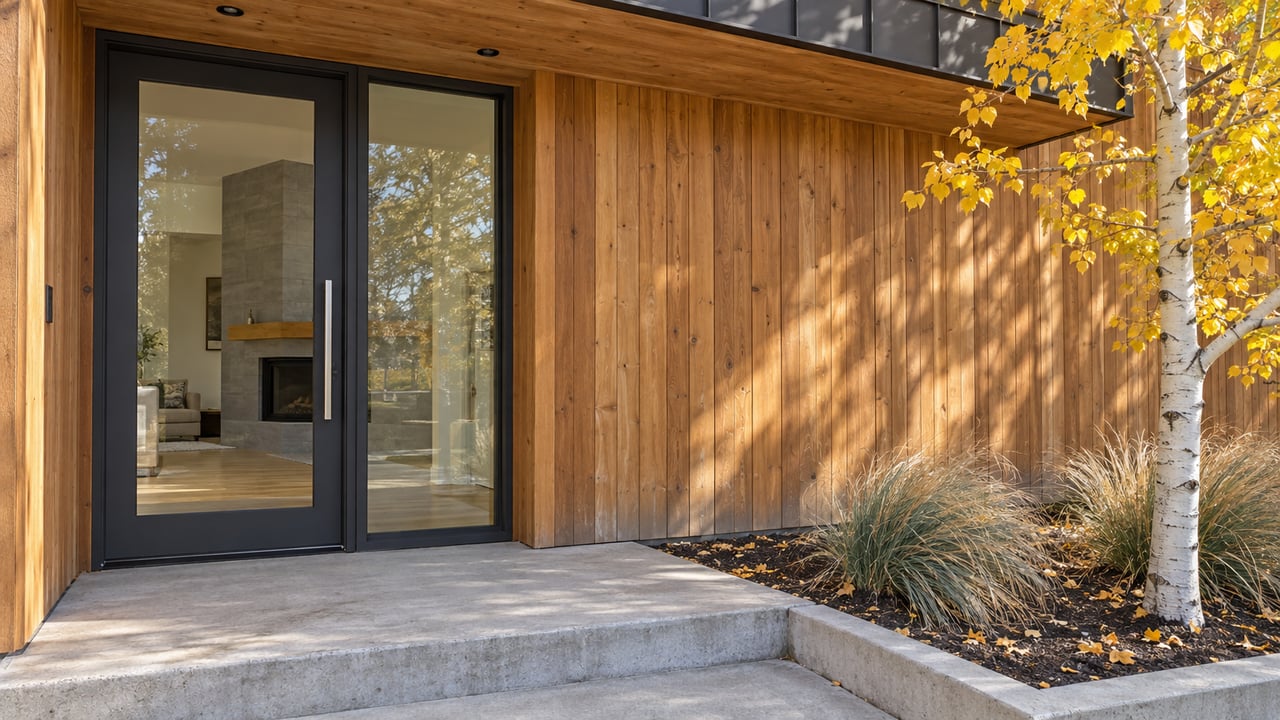
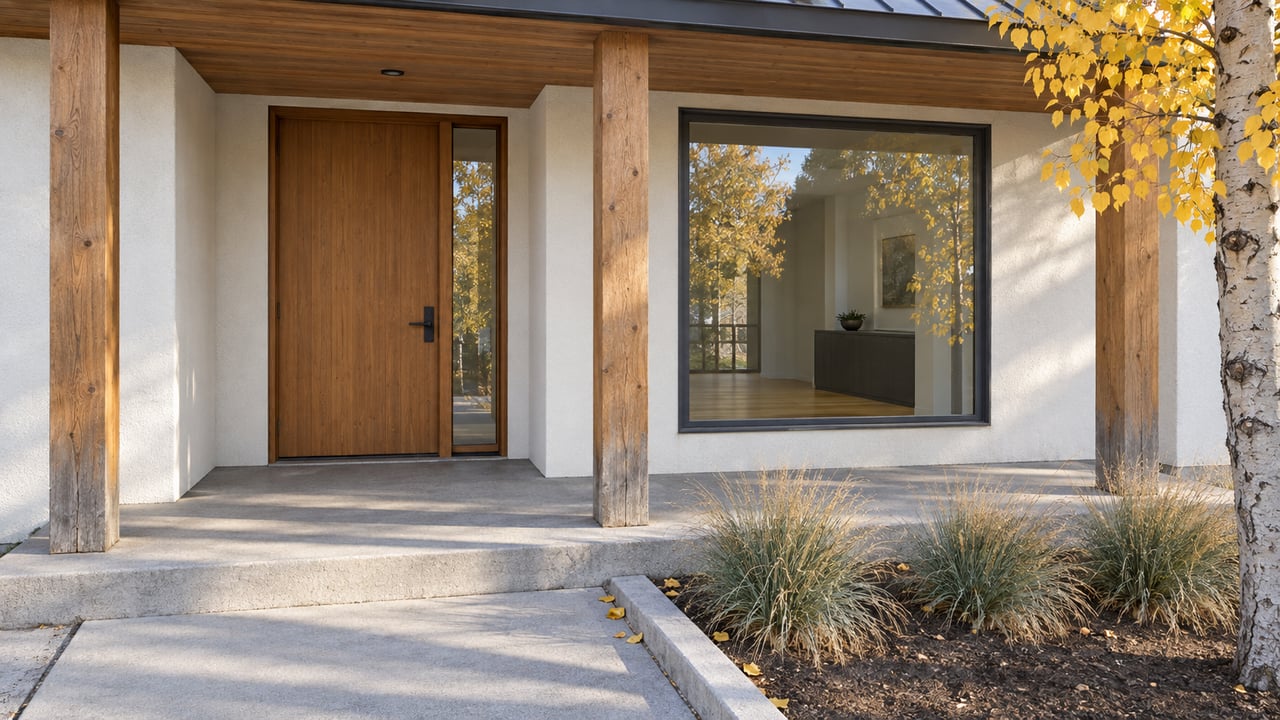
You do not have to remodel your way to a great sale. National Cost vs Value data shows that many high-ROI projects are smaller, visible improvements: exterior refreshes, garage and entry doors, siding updates, manufactured stone veneer, and a minor midrange kitchen remodel. In 2025 data, some of these projects even recouped around or above their cost. Explore the current ROI tables at Cost vs Value.
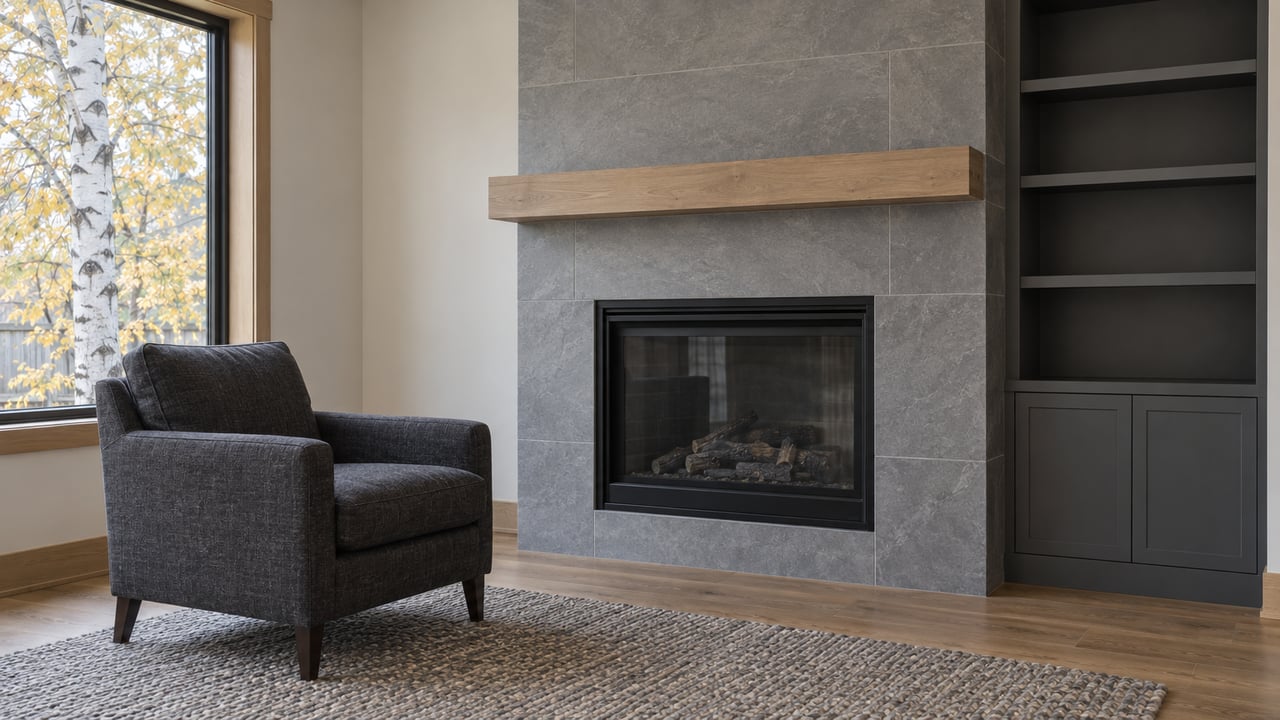
In Bozeman, buyers respond to mountain-friendly finishes, durable exterior materials, energy efficiency, and clean, updated kitchens and baths. If you plan to sell within a year, focus on curb appeal, paint, lighting, hardware, and a strategic kitchen refresh rather than a full gut.
When to skip big renovations
If your comps do not support a higher tier after a major upgrade, a large renovation may not appraise or pay back at resale. Appraisers and remodeling data both suggest that high-cost, design-heavy projects often recoup less than modest, high-impact fixes. Save the budget for presentation, pricing precision, and moving logistics if the ROI case is not clear.
Timing and local factors
Seasonality matters in mountain towns. Spring and early summer often bring stronger buyer activity and more tour-ready homes. That said, your home’s micro-market and price tier should guide timing.
Bozeman’s demand also reflects regional travel access. Recent coverage highlighted record months at Bozeman Yellowstone International Airport and added routes, which improve second-home and relocation access. See a local update on BZN’s passenger growth and new routes.
Investor demand can be shaped by local policy. Bozeman recently restricted new non‑owner‑occupied short‑term rentals inside city limits. This change reduces future investor STR conversions and can shift buyer mix in some neighborhoods. For context, read a summary of the Bozeman short‑term rental policy change. If you have STR interests, confirm current rules with the city before listing.
A simple pricing framework
Use this step-by-step plan to set your list price with confidence:
Get a local CMA. Ask for 3 to 5 recent, nearby comps with adjustments for condition, features, and sale date. If your property is unique or comps are thin, consider a pre-listing appraisal. A quick overview of CMAs is here: how a comparative market analysis works.
Compare to AVMs for perspective. Check algorithm estimates, but do not let them dictate your strategy. In Bozeman’s varied micro-markets, on-the-ground comps are king.
Pick a pricing strategy that matches your goal. If time is critical, consider pricing slightly under market to catalyze demand. If you can wait for the right offer, price at market. Only go above market when you can document a clear, comp-supported premium. For tradeoffs, see house pricing strategies and outcomes.
Set a 10 to 21 day review. If traffic and offers are thin, make one meaningful reduction, often 2 to 5 percent, and sharpen presentation. More here: pricing strategy and reduction timing.
Prepare for the appraisal. If the appraisal comes in low, know your options and how to negotiate. Here is a practical primer on handling a low appraisal.
Bozeman example: three pricing paths
The following scenarios are hypothetical, based on public trackers that recently placed Bozeman’s typical values in the $615,000 to $775,000 range. We will use $700,000 as a simple mid-market example to show likely outcomes. Your CMA and current MLS data provide the definitive guidance for your home.
Scenario A: List at $679,000 (about 3 percent under). You will likely see stronger early showings and a higher chance of multiple offers within the first couple of weeks if your segment has active demand. The sale could land near or slightly above list depending on competition. Evidence shows competitively priced listings tend to capture early momentum. See a national overview of pricing strategies that drive results.
Scenario B: List at $700,000 (at market). Expect steady traffic and a days-on-market pace closer to recent city medians. Many homes in balanced conditions sell within a few percent of list, depending on negotiation and concessions.
Scenario C: List at $770,000 (about 10 percent above). Your buyer pool narrows, time on market extends, and the odds of price reductions rise. Overpricing often leads to multiple cuts and a lower final sale than if you had priced accurately from day one.
These are illustrations, not guarantees. Your property’s setting, finishes, and tier will drive the real result.
Before you list: quick checklist
- Request a CMA with 3 to 5 recent, nearby comps and clear adjustments.
- Tackle safety and repair items, then focus on curb appeal, paint, and a light kitchen refresh if needed.
- Declutter, deep clean, and stage to highlight light and space.
- Invest in pro photos and a listing plan that targets your likely buyer.
- Set your 10 to 21 day activity review and be ready to adjust.
Ready to price with confidence?
If you want a clear, data-backed price strategy tailored to your Bozeman home, let’s talk. With Montana roots, construction insight, and full-service marketing across the Gallatin Valley, you will get straight answers, a tight plan, and hands-on support from prep to closing. Schedule a free consultation with Carissa Maus (Paulson).
FAQs
How long do Bozeman homes take to sell right now?
- Citywide snapshots often show median days on market in the 80 to 100-plus day range, but your timing depends on price tier, location, condition, and strategy. A fresh CMA will set realistic expectations for your segment.
What if my Zestimate is much higher or lower than my CMA?
- Treat algorithm estimates as a starting point. In Bozeman’s varied micro-markets, interior condition, views, lot, and recent nearby sales matter more. Use the CMA to set strategy and use AVMs only for context.
Is it better to price high and negotiate down?
- Usually not. Overpricing often reduces early showings, stretches days on market, and can lead to multiple reductions and a lower final price. Starting at or slightly under market typically produces better early momentum.
How do Bozeman short‑term rental rules affect my value?
- City rules restrict new non‑owner‑occupied STRs, which reduces future investor conversions and can change buyer mix in some areas. If your plan involves STR use, confirm current permitting and factor that into pricing and marketing.
Which pre-list updates offer the best ROI here?
- Focus on curb appeal, exterior refreshes, a minor midrange kitchen update, paint, lighting, and hardware. These projects often recoup well and help homes show their best without overcapitalizing.
What happens if the appraisal comes in low?
- You, the buyer, and the lender have options: the buyer can add cash, you can lower price, you can split the gap, or the deal can end if there is an appraisal contingency. Plan ahead so you can negotiate confidently.